Share This Article
A first visit to Binoid CBD can feel less like entering a single-product shop and more like opening a directory of cannabinoid formats. The catalog brings topicals, oils, capsules, gummies and inhalable products together, with product pages doing much of the work of distinguishing one item from another. The useful first question is not simply what the brand sells, but how to read that range without treating unlike products as interchangeable.
We see a format-led store: shoppers can begin with how a product is presented and then check its ingredients, listed cannabinoid amount, directions and testing information where available. That makes the brand relevant to readers who want to compare delivery formats, while also putting a responsibility on the reader to inspect each listing carefully.
We may earn a commission when you buy through links on this page, at no extra cost to you.
A catalog of formats
Binoid CBD groups a wide assortment under one storefront. Its product pages span topical creams, tinctures and capsules alongside gummies, drinks and vape-style products. That range is a format-led advantage in the shopping experience: a newcomer can browse several types of hemp-derived products in one place. It is not, by itself, evidence that every type suits the same person or serves the same purpose. Format matters first.
We would treat the catalog as a set of separate decisions. A cream is applied to the skin; a tincture is an oil format; an edible is consumed and should be read according to its own serving directions. The brand’s categories help with navigation, but the product page is the place to confirm what is actually in the item and how it is intended to be used. The label carries the detail.
- Start with the format you are considering, rather than a broad promise attached to a category.
- Check the ingredient list and the listed cannabinoid amount on the specific product page.
- Read directions, warnings and any available lab or quality documents before deciding.
What a product page says
The most helpful pages make the format and listed strength visible near the product name. For example, Binoid CBD Healing Cream Extra Strength is positioned as a topical, while the store also carries a lower-strength Binoid CBD Healing Cream option. Those listings give a shopper a like-for-like comparison within one format. Binoid CBD Healing Cream Extra Strength and Binoid CBD Healing Cream details for current ingredients, directions and availability.
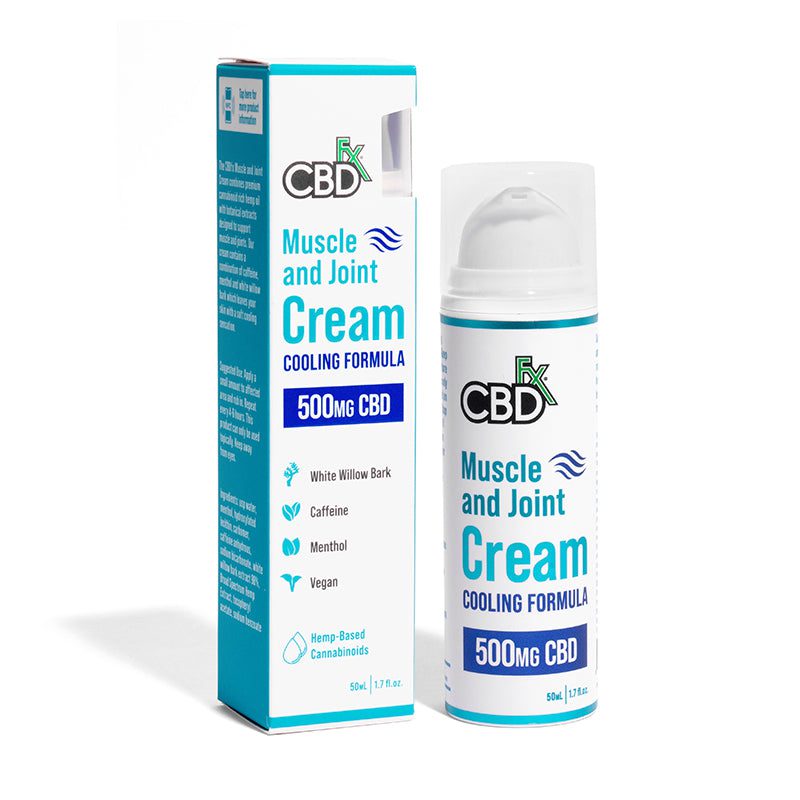
A third-party listing such as CBDFx CBD Cream Muscle & Joint shows that the storefront is not limited to products carrying the Binoid name. It gives the catalog a broader retail character, so readers should notice whose product they are viewing and use that brand’s label and product information when evaluating it. The CBDFx CBD Cream Muscle & Joint link opens the specific cream listing.
The same habit matters across formats. One listing at a time is a sensible browsing rule. A gummy listing, for instance, should be judged by its own serving directions and ingredient panel, not by assumptions carried over from a cream or oil. Binoid lists Delta 9 THC Gummies among its edible products, and the listing is where to confirm the current formulation and instructions.
- Product name and format: confirm whether the item is topical, oral or inhaled.
- Label detail: compare the stated cannabinoid amount, ingredients and serving directions.
- Supporting information: look for product-specific lab details and read what they cover.

The range in context
A large catalog can be useful when someone is still deciding which form factor fits their preferences, but breadth creates its own homework. More choice means more checking. Two products in different formats cannot be compared by a single number alone. The listed amount, serving size, ingredients, intended use and the type of cannabinoid all shape the choice. Product names may make differences visible, but the accompanying label is more informative than a name alone.
This is also where careful language matters. Binoid CBD describes a range of hemp-derived cannabinoid products; that does not make every product a general wellness solution, and product pages should not be read as medical advice. Rules for cannabinoid products can vary by location and can change, so readers should check local requirements and consider their own circumstances before ordering.
For a first browse, it can help to move in a simple sequence: select a format, open the individual product page, then review the label and store policies. Where a page links to lab-related information, read that document for the specific product rather than assuming that one report applies to the whole catalog. If any detail is unclear, pause instead of inferring it from a neighboring listing.
Choosing a starting point
Readers who prefer topical products may want to begin with the cream collection and compare the listed versions there. The Extra Strength cream and the standard Healing Cream each have their own product pages, which is useful because the ingredient list, directions and availability belong to that specific listing. We would compare the label details first and use the displayed price only as a current store reference.
Readers browsing beyond topicals can use the format categories to find oils, capsules or edibles, then narrow the options at product level. The Delta 9 THC Gummies page is one example of an edible listing; the CBDFx CBD Cream Muscle & Joint page illustrates how a different brand can appear within the same store. Product selection should follow the actual item description, with current pricing and availability checked directly on the store.
- Choose one product format to explore first.
- Compare listed ingredients, directions and cannabinoid details within that format.
- Check the product page for current price, stock status and any supporting documents.
One last look
Binoid CBD is best understood as a broad online catalog organized around product formats, with some third-party products alongside its own branded offerings. That breadth gives first-time readers room to compare categories, but it also means that product-by-product checks matter. We recommend beginning with a format you already understand, then verifying the individual item’s contents, directions and local availability before making a decision.
One limitation is that a varied catalog does not guarantee that every page presents the same level of supporting detail or that every product suits every reader. Treat each listing on its own terms, and consult a qualified professional for health questions.
Start with the format, verify the specific label, and browse Binoid CBD’s current collection with those details in view.