

Share This Article
A cooking brand can be hard to place when its shelves span knives, cookbooks, pantry ingredients and online classes. Milk Street Kitchen brings those categories together through a practical question: what helps a curious home cook make more of a dish, a technique or an ingredient?
We reviewed the US store’s product information to map that idea across its range. The clearest way to understand the brand is to look at the teaching formats alongside the tools: both are meant to turn culinary curiosity into something usable at home.
We may earn a commission when you buy through links on this page, at no extra cost to you.
A kitchen built on questions
The store presents Milk Street Kitchen as more than a cookware label. It brings together a cooking school, books, equipment and pantry goods, so a reader can move between learning a method and finding an item that supports it. That mix gives the brand a recognizable point of view: cooking is treated as a skill to develop, not simply a list of things to buy.
That distinction matters for a first-time visitor. A person arriving for a knife may also find a recipe collection or an ingredient they have not used before. The shop’s full Milk Street Kitchen range makes most sense when read as a set of entry points rather than a single product family. The store categories make it possible to browse by the kind of help needed: instruction, prep, cooking or finishing.
- Learn a technique through a book or digital cooking class.
- Equip a task with a tool designed around a particular kitchen job.
- Explore flavor through pantry goods and ingredients from the wider catalog.
Ideas into instruction
Education is the range’s most useful context. The Milk Street Season 6 Cookbook is described as a 726-page companion to the television show, collecting recipes from its first six seasons. That makes it a reference-led purchase for cooks who prefer a substantial print collection and want variety across meals, rather than a single narrow technique. The Season 6 cookbook page gives the scope and format; readers can also browse the cookbook selection for other formats. The book listing is a helpful first stop for anyone comparing print references.
The digital class format offers a different kind of commitment. The Make Your Own Miso class featuring Emiko Davies is listed as a pre-recorded cooking school video with downloadable recipe PDFs. In other words, the store describes both instruction and supporting materials. Check the class page for its current delivery details and included files before choosing it, since digital products work differently from a book arriving on a shelf.
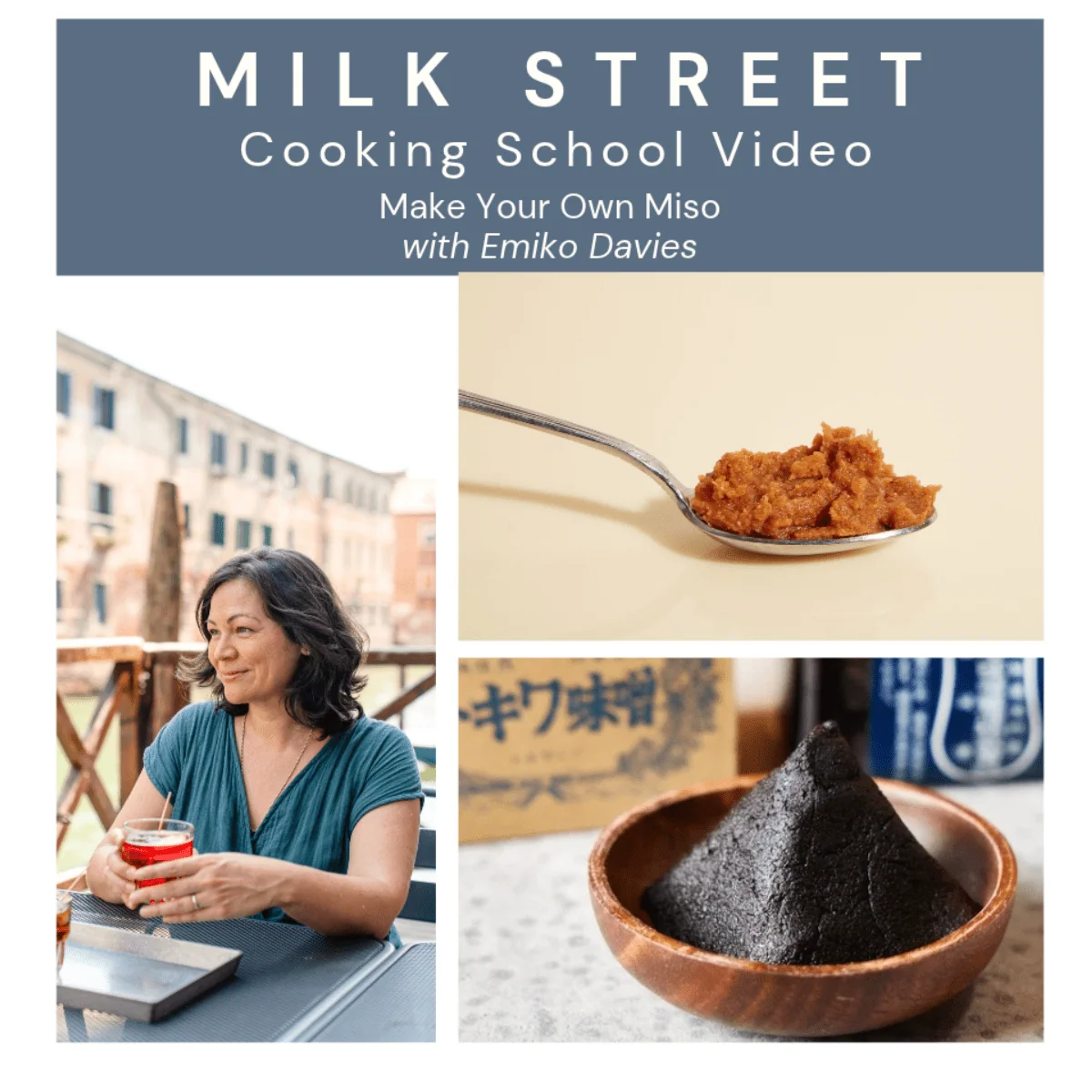
These formats serve different habits. A cookbook is easy to dip into repeatedly and can anchor a broad home reference shelf. A focused video class suits someone who wants to follow a specific subject at their own pace. Neither guarantees a particular result; the practical value depends on whether the format matches how the reader likes to learn.
- Choose a book when you want a wide recipe reference to revisit.
- Choose a class when a defined subject and video instruction are more useful.
- Review the product page for format, files and access instructions before purchase.
Tools with a point of view
The equipment selection turns broad culinary ambition into smaller, tangible decisions. The Milk Street Kitchin-to Knife is described as a hybrid prep blade, part cleaver and part prep knife, with a thin profile and rounded tip. Those details suggest a tool aimed at cooks who want one knife for varied prep. The knife listing also specifies care requirements, so it is worth checking the full instructions and handle options before adding it to a routine.
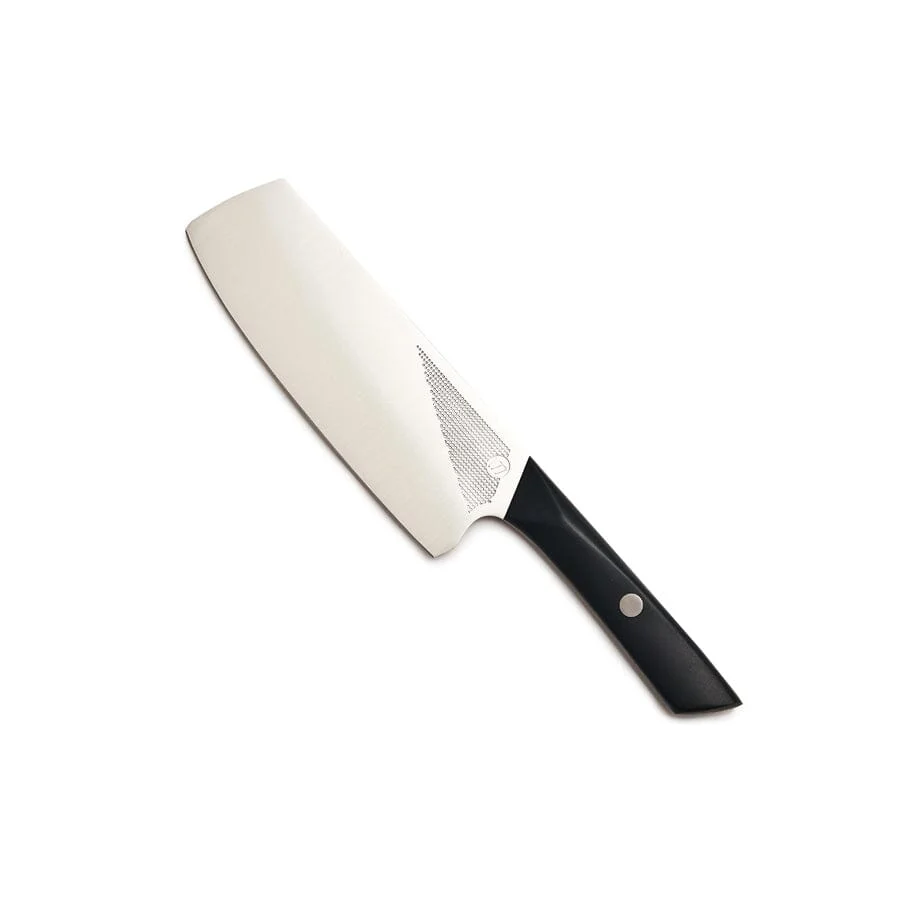
The supporting custom ash wood saya shows how the range extends beyond the main tool. The brand says the guard was made for the broad Kitchin-to blade, which does not fit most knife blocks. It is a useful reminder that storage and compatibility can shape whether a specialized design works in a particular kitchen.
For a different prep task, the CrushGrind Riv Grater combines coarse and fine stainless-steel surfaces in a foldable design. Its handle rotates to open the grater upright, and the store description notes a nonslip base. That configuration may interest cooks who want both a handheld rasp and a standing grater in one piece, though the folding mechanism and storage footprint are worth considering against a simpler fixed grater.

- Match a knife to your most frequent prep, not an imagined ideal kitchen.
- Confirm storage dimensions and care requirements for specialized tools.
- Compare multi-purpose designs with simpler tools you already own.
Pantry beyond equipment
The store’s pantry category broadens the story beyond durable goods. Flor de Sal d’Es Trenc Mallorcan Finishing Salt, for example, is presented as a finishing ingredient rather than a piece of equipment. This side of the catalog can appeal to a reader who wants to explore flavor without committing to another kitchen tool. The pantry collection is the best place to compare ingredients and their intended uses, while individual listings provide the details for each item. Browse the ingredient selection if flavor exploration is the goal.

Across categories, the common thread is curation around cooking tasks and learning. That does not mean every item will suit every kitchen. A serious cook with a full tool drawer may get more from a class or ingredient; a newer cook may value a versatile tool or reference. For someone who likes to understand the reason behind a method, the brand’s mix of instruction and equipment is the most distinctive part of the offer.
Choosing a first step
A useful way into Milk Street Kitchen is to start with a question already present in your kitchen. Are you looking for more recipe direction, a way to learn a focused technique, or a better tool for a repetitive prep job? The book and class pages answer different learning needs, while product details on the Kitchin-to Knife and Riv Grater help clarify whether a tool solves a real daily friction.
Before choosing, take a minute to check the current product description, care information, format and shipping or return terms on the US store. Those specifics affect the ownership experience and may vary across books, digital classes, pantry items and equipment. The brand’s appeal is strongest when the item connects to a real cooking habit you actually want to build.
One last look
Milk Street Kitchen is best understood as an instructional cooking brand with a broad retail expression: books and classes explain, while tools and pantry finds support the work. The honest limitation is breadth: the store spans enough categories that a casual browser may need to narrow by task first. We recommend starting with the format or tool that answers a real question in your own kitchen, then checking the product page for current details.
Start with the Milk Street Kitchen format that fits the way you want to learn or cook.