Share This Article
A portable power station has to balance capacity with a form you can actually move and use. The BLUETTI Elite 300 sits toward the high-capacity end of that category, with specifications aimed at RV travel, extended outdoor stays and selected home backup needs.
We reviewed the Canadian product information to see where the Elite 300 makes sense, what its connections add, and where a smaller or larger system may be a better match. The key question is whether its output and battery size line up with the devices you need to run.
We may earn a commission when you buy through links on this page, at no extra cost to you.
A lot of capacity
The Canadian store lists the BLUETTI Elite 300 with a 3,014 Wh LiFePO₄ battery and 2,400 W output. Those figures make it a different proposition from a compact phone-and-laptop backup unit: it is designed to cover more demanding equipment and longer sessions, within the limits of each device’s wattage and the station’s usable energy.
Capacity is the energy reserve; output is the load it can supply at once. A fridge may draw modestly on average yet cycle its compressor, while a kettle or other heating appliance can demand a high wattage. Before choosing the Elite 300, add up the running watts of the devices you intend to use together and check the startup requirements for anything with a motor.
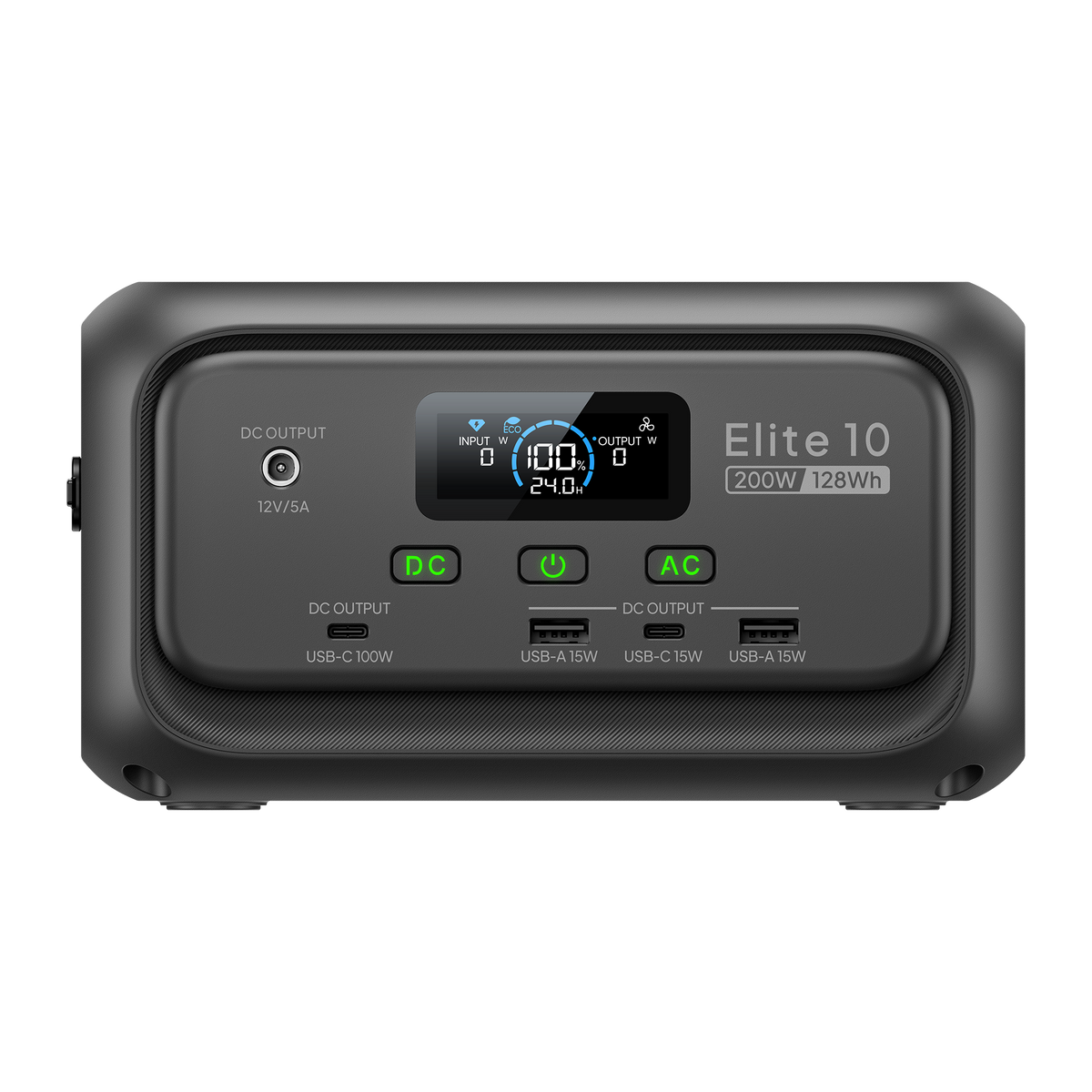
- 3,014 Wh is the stated battery capacity.
- 2,400 W is the listed output rating.
- BLUETTI identifies the battery chemistry as LiFePO₄.
- Actual runtime varies with load, conversion losses and operating conditions.
RV connections
The distinctive fit is recreational vehicle use. BLUETTI highlights a NEMA TT-30 connection and a 12 V/30 A port, which can simplify powering compatible RV equipment such as a fridge, fan or water pump. That built-in connection gives the Elite 300 a clearer use case than a generic station whose ports may require extra adapters.
It is still important to match the outlet and load rather than assume the station runs an entire rig. Check your RV’s wiring, appliance ratings and the product manual, especially if you expect to run several loads together. The product page describes a portable unit, so it should be treated as a power source for selected circuits and equipment rather than a replacement for a professionally installed whole-home system.

- List the devices you need during a trip or outage.
- Check both continuous draw and any startup surge.
- Confirm plug type and voltage before connecting equipment.
- Plan recharging around available AC, vehicle or solar input.
Solar and charging
The store offers the Elite 300 by itself and in configurations paired with solar panels or charging accessories. The right bundle depends on how you travel. A solar kit may suit a campsite with reliable daylight and room to place panels; a vehicle charging accessory can be more useful when driving between stops. BLUETTI also describes an Elite 300 plus Charger 2 option with dual car and solar charging.
Bundling can reduce the guesswork around compatibility, but it also commits you to included equipment that may not suit your routine. Compare panel wattage, cable requirements, charging input limits and what is included in the exact Canadian listing. If you already own compatible panels or need a different setup, buying the base station may be more practical.
For occasional backup, estimate how many hours you need essentials to last rather than relying on broad appliance examples. For camping, consider whether you can recharge between stays. With solar, output changes with shade, weather, panel angle and season, so published panel wattage is not a promise of constant input.
Choosing your size
BLUETTI’s range includes much smaller and larger choices. The Elite 30 V2 is listed at 288 Wh and 600 W, a more sensible scale for phones, cameras and selected small electronics. It will not offer the same reserve or RV connection focus as the Elite 300, but buyers with light loads may prefer its smaller capacity class.
At the other end, the Elite 400 sits in a larger format within the Canadian lineup. Compare its exact output, capacity and included accessories on the current listing rather than selecting by model number alone. The right choice is the smallest station that covers your real simultaneous load and runtime requirement with room for sensible margin.
- Choose Elite 30 V2 for light device charging and compact use.
- Consider Elite 300 for higher capacity and its RV-oriented ports.
- Compare Elite 400 if you need a larger system and can accommodate it.
Ordering checks
Buying through the Canadian store makes it easier to compare local bundles and product details on the same storefront. Before ordering, review the listing for included cables, panel compatibility and charging accessories. Then check the store’s current shipping, return and warranty terms; these affect the ownership decision as much as the headline specifications.
Prices vary by configuration and can change, so use the current product page for the latest amount. Bundle names can look similar while including different panel wattages or chargers. Keep the exact configuration name and its listed contents in view when comparing the standalone Elite 300 with a solar or vehicle charging kit. Compare the Elite 300 product listing with the Elite 30 V2 listing and Elite 400 listing so the capacity, output and included items line up with your use.
The Elite 300 product page is the place to confirm the exact bundle and current availability; for a smaller option, the Elite 30 V2 page lists its specifications separately. The Elite 400 page provides another point of comparison if you need a different capacity tier.
One last look
The BLUETTI Elite 300 is a strong fit on paper for RV owners and households wanting a portable reserve for selected equipment: its 3,014 Wh capacity, 2,400 W output and dedicated RV connections form a coherent package. Its honest limitation is scale: it is more station than many people need for occasional phone or laptop charging, and runtime depends on the actual load.
We would shortlist it when the RV ports and substantial capacity solve a real need, then compare the standalone unit against the precise solar or charging bundle before choosing. Check the store listing for current price, configuration and ownership terms.
Choose the Elite 300 when you need its RV-ready connections and high-capacity reserve, and verify the load and bundle before ordering.