Share This Article
Portable power has moved beyond emergency equipment. It can support a work setup away from outlets, a weekend outdoors, a recreational vehicle, or selected household essentials during an outage. BLUETTI brings those use cases together through portable power stations, solar charging, generator kits and home backup products on its Canadian store.
For a first-time reader, the useful question is less whether one model is “best” and more how the brand organizes different jobs. We reviewed the Canadian product information and range: the product pages make capacity, output and charging paths the practical starting points.
We may earn a commission when you buy through links on this page, at no extra cost to you.
Power with a purpose
The brand’s clean-energy proposition is built around storing electricity and making it portable or available as backup. That sounds straightforward, but the range covers quite different routines: taking a compact station to a campsite, pairing a larger unit with solar panels, or planning a more permanent home setup. The Canadian store also groups products by scenario, which helps a newcomer start with the job rather than a model number.
We think that job-led approach is useful because a battery’s capacity and its power output answer separate questions. Capacity, shown in watt-hours, helps estimate how long a load may run; output, shown in watts, indicates whether a device can be supported at all. Actual runtime depends on the device and conditions, so the numbers are a guide, not a promise.
- Portable stations range from lighter personal-use options to substantial backup units.
- Solar panels and kits add a way to replenish compatible stations away from the grid.
- Expansion batteries and accessories build out selected systems for specific needs.
- Vehicle charging connects the product story to road trips and RV use.
That breadth reflects a practical view of energy access: a battery may be useful at home, in transit or outdoors, but the supporting equipment changes with the setting. Readers can browse BLUETTI’s Canadian range by product type or use case, then narrow down to a compatible system. It is a more grounded way to understand the brand than treating every product as interchangeable.
A range of roles
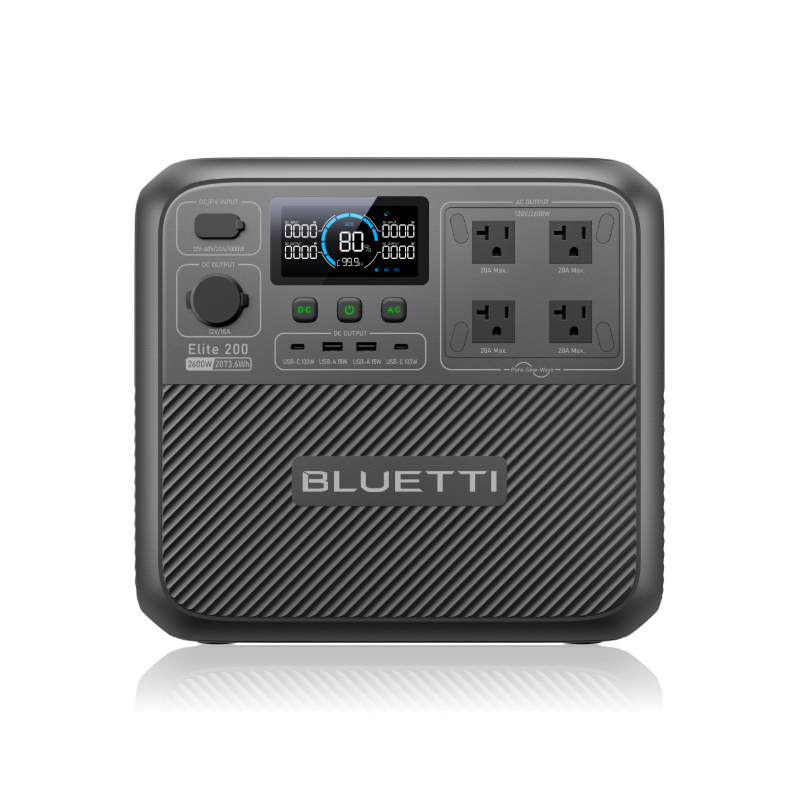
The BLUETTI Elite 200 V2 illustrates the middle-to-larger portable station tier. The Canada listing gives it 2,600W output and 2,073.6Wh capacity, with a LiFePO₄ battery. Those figures suggest a broader mix of supported devices and longer potential runtimes than a small phone-focused unit, but a buyer still needs to total the loads they expect to connect. Check both numbers, not capacity alone. Readers can review the Elite 200 V2 details against their load list, and compare other portable stations if a lighter setup is enough.
For a bigger reserve, the BLUETTI Elite 300 is listed as a 2,400W, 3,014Wh LiFePO₄ station. The store presents it for RV and home use. That makes it a helpful example of how the range steps toward heavier demands: added capacity can extend operation, while the intended loads and charging plan determine whether the extra size makes sense. Check the Elite 300 product information alongside your expected loads and recharge opportunities.
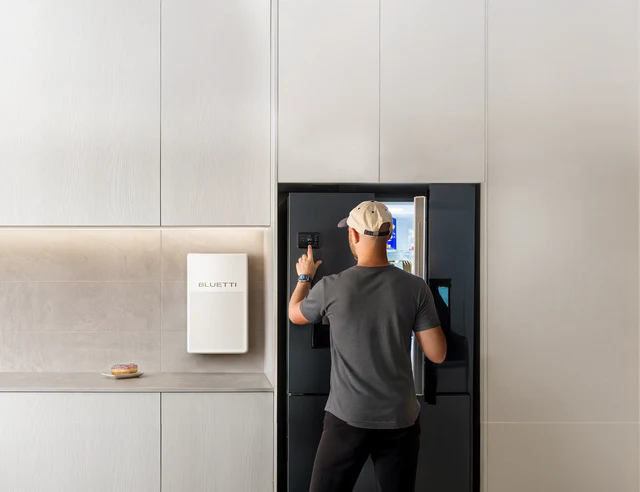
Not every need calls for a large battery. The compact Elite 100 mini and Elite 10 sit closer to everyday portable power, while the dedicated FridgePower targets refrigerator backup. The latter is a reminder that BLUETTI also sells focused solutions alongside general-purpose stations. Match the product to a named task before comparing capacity. See the compact product options if portability is the priority.
Beyond the battery
BLUETTI’s wider story is an ecosystem: generation, storage, charging and use. Solar panels can be relevant when grid access is limited, though compatibility and the panel’s real-world conditions matter. The store also features the BLUETTI Charger 2, an alternator and solar charger intended for vehicle-based power setups. It speaks to people who want charging to fit into a journey rather than rely only on a wall outlet. Check the Charger 2 listing for its supported configuration.
Its RVSolar 48V Power System is another example of a more integrated route for recreational vehicles. A dedicated system may suit a planned build better than assembling individual pieces, but installation needs, compatibility and included components deserve close reading. Explore BLUETTI’s RV system information before planning an installation. A product family gives options; it does not remove the need to map the setup carefully.

Choosing a starting point
Before browsing further, write down what the system needs to do. Then compare listings using a short checklist. This keeps an attractive spec sheet from becoming a poor fit for the actual routine. A home backup plan may prioritize critical appliances and predictable recharge access; an outdoor plan may put weight, setup time and solar input higher on the list. That is why a scenario-based range browse can help at the start, with each model checked individually before purchase.
- For small personal loads, start with compact options such as the Elite 10 or Elite 100 mini.
- For a wider device mix, compare the Elite 200 V2 with the loads you listed.
- For RV planning, review the RVSolar system and its installation requirements.
- For refrigerator continuity, consider whether FridgePower matches the appliance and runtime need.
- Name the loads: list the devices, their wattage and how long each should run.
- Check output: confirm the station supports the devices, including any startup demand.
- Estimate runtime: use capacity as a planning input, then allow for conversion losses and changing conditions.
- Plan recharging: compare wall, solar or vehicle options and confirm accessory compatibility.
- Review ownership details: inspect what is included, warranty terms, shipping and return conditions on the Canadian store.
One last look
BLUETTI’s strength is range with a clear use-case logic: portable stations, solar options, vehicle charging and more integrated backup systems sit under one clean-energy focus. The product pages give useful comparison points, especially capacity and output, and named models make it easier to map the lineup to real jobs.
The limitation is that breadth can make selection feel technical. A model name alone cannot tell you whether your devices will run for the time you need, and solar or vehicle setups bring compatibility questions. Start with the load list, then check current specifications and included components on the Canada store.
BLUETTI is worth exploring if you want a choice of portable and backup power paths, provided you match the system to your actual loads and charging routine.