

Share This Article
Choosing home fitness equipment is less about building a complete gym at once and more about matching one machine or set to the routine you will actually keep. Home Fitness Code offers folding cardio machines alongside strength equipment, so the decision often starts with the kind of session you want and how much floor space it can occupy.
We reviewed the UK store’s product information and compared three different routes: treadmill walking or running, rowing for low-impact cardio, and adjustable free weights for strength work. Each solves a different problem; the best fit depends on what your week is missing.
We may earn a commission when you buy through links on this page, at no extra cost to you.
Three routes
The Folding Treadmill Y5 is the cardio choice for users who want a walking and running surface. The listed product information describes a brushless motor, speed up to 10 km/h and up to 15% automatic incline. It is the more running-oriented choice in this comparison; its compromise is that it remains a large machine even when folded.
The Magnetic Rowing Machine trades the treadmill’s familiar walk-or-run action for a seated, full-body movement. The store lists 16 resistance levels, a foldable slide rail and an LED display showing workout measures such as time, distance and strokes per minute. That makes it the more adaptable cardio option on paper, though rowing requires technique and a clear pull path.
For resistance training, the 4-In-1 Multifunctional Dumbbell Set combines free-weight formats, including a kettlebell handle and bar. It has the smallest footprint of these three when stored, but it cannot replace the sustained cardio work of a treadmill or rower. Check the exact included configuration on the product page before deciding it covers your routine.
| Option | Best for | Trade-off |
|---|---|---|
| Folding Treadmill Y5 | Walking and running | Needs a longer clear floor area |
| Magnetic Rowing Machine | Low-impact full-body cardio | Needs technique and rail clearance |
| 4-In-1 Dumbbell Set | Strength work in a compact setup | Does not provide cardio |
Against typical alternatives, the trade-offs are familiar: a foldable treadmill may store more neatly than a fixed running machine, but it still needs a safe operating area; a magnetic rower offers adjustable effort without impact, but its rail needs room; free weights are easier to put away than either machine, but progress depends on selecting and changing loads. Storage is not the same as a small footprint in use.
- Choose a treadmill if walking or running is the habit you want to support.
- Choose the rower if you want seated, whole-body cardio and can learn the stroke.
- Choose the dumbbell set if strength sessions matter more than machine-based cardio.
Room and routine
Measure the area needed while exercising, not just the dimensions of a folded product. A treadmill needs clearance around its deck, while a rower extends along its slide rail during use. The Y5’s manual incline is a simple feature to compare with versions that advertise automatic incline; the rower’s foldable rail is useful if it will be stored between sessions.
Before comparing the final shortlist, check these practical details on each product page:
- Dimensions in both operating and folded positions, plus product weight.
- Whether incline or resistance is adjusted manually or electronically.
- What the display measures and whether it suits your training priorities.
- Delivery access, assembly guidance, returns terms and warranty coverage.
The store states free delivery, a 30-day return period and a one-year warranty; review the current UK terms and any product-specific conditions before ordering. This matters for bulky equipment because delivery access and setup can influence whether a theoretically suitable machine works in your home.
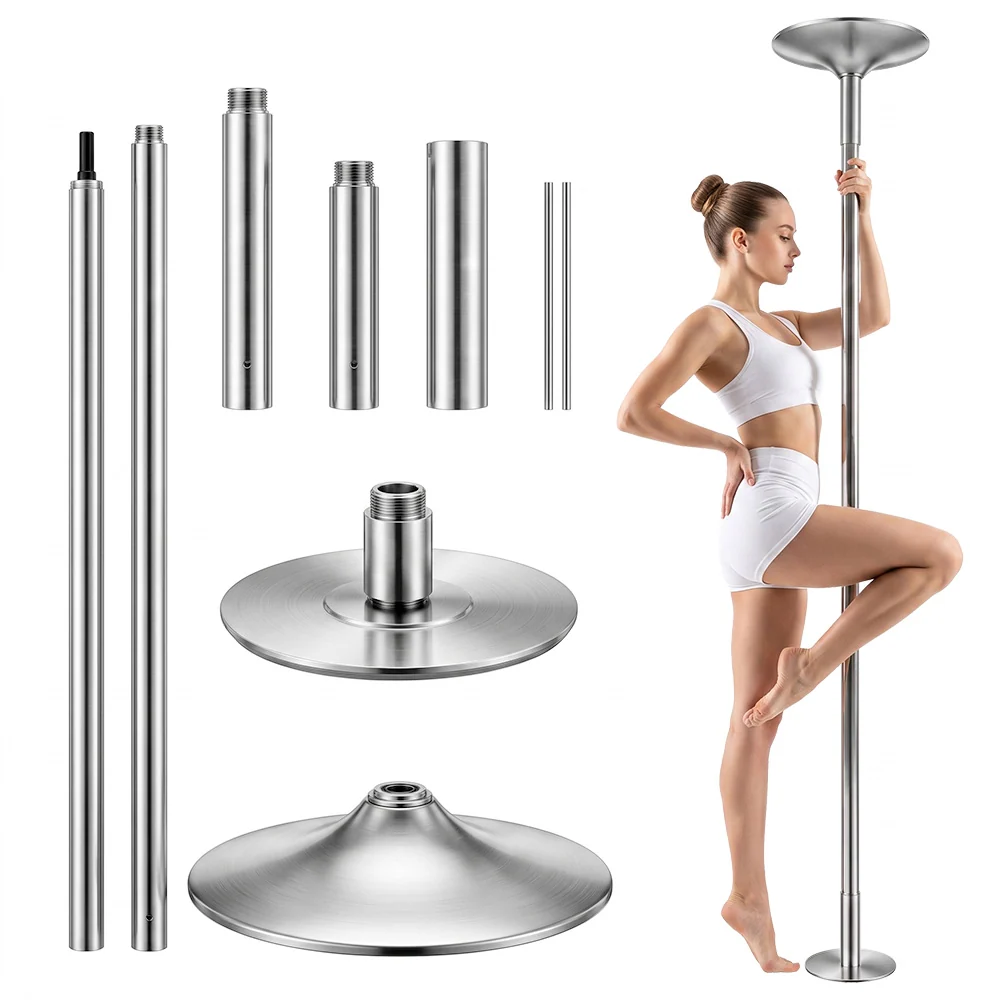
A small accessory may also make sense if you already own the main equipment and want to track effort across sessions.
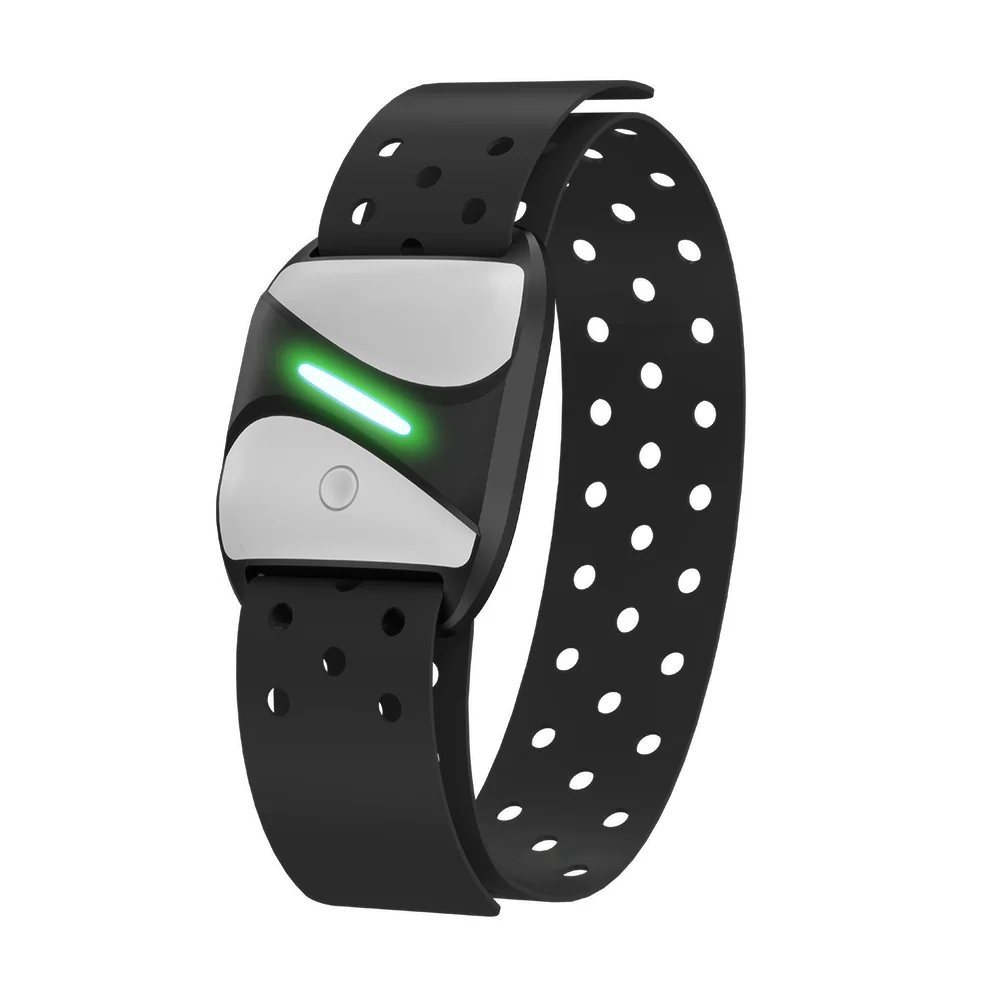
There are useful alternatives within the same catalogue too: an under-desk walking pad prioritises gentle movement and compact storage, while a fixed exercise bike keeps the workout seated. These alternatives may be preferable if running is not your aim or if you already know cycling feels more sustainable. Compare the stated speed, resistance controls, display and folded dimensions with your actual routine. A feature is only a benefit when it solves a real constraint.
Where each wins
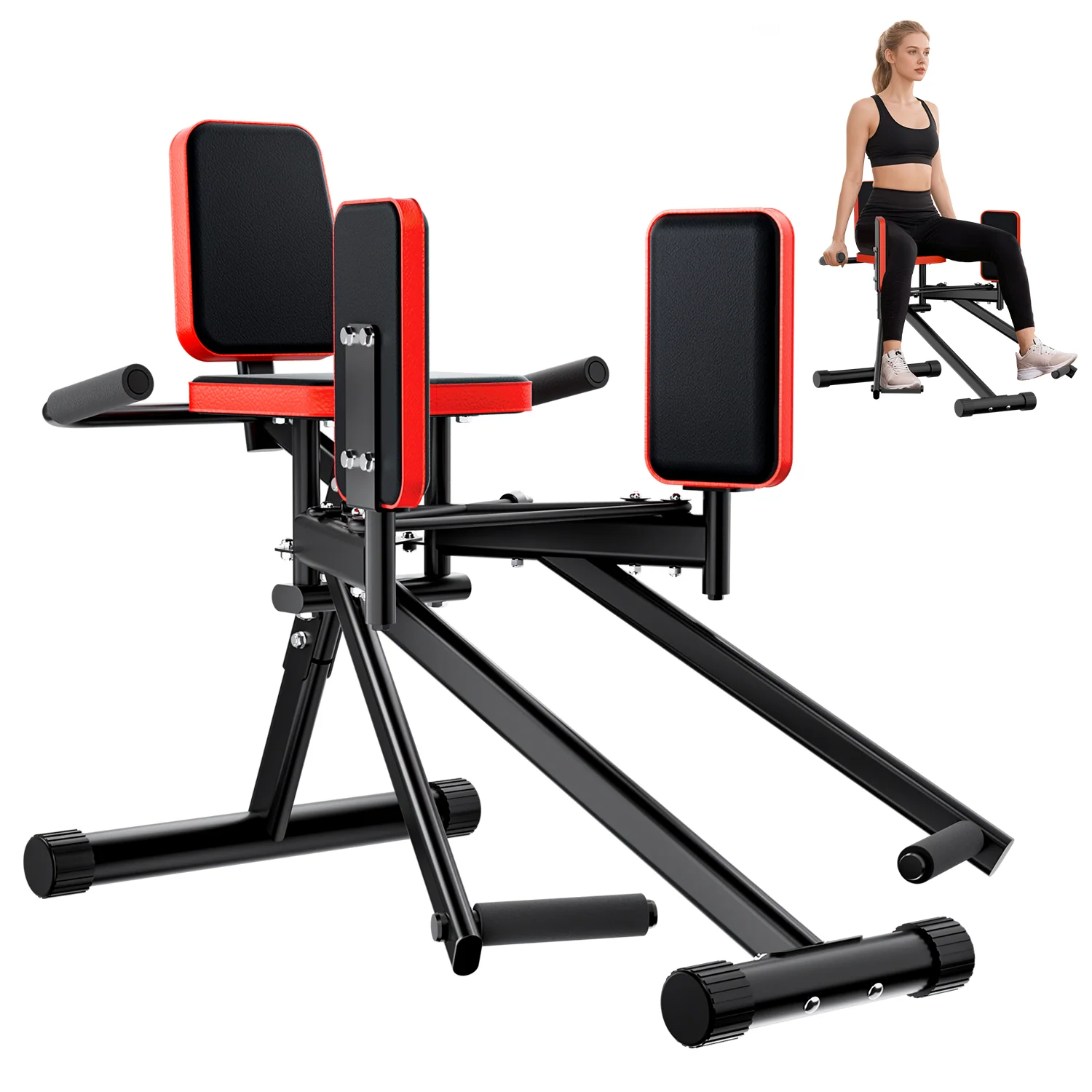
One brand range can still contain very different kinds of equipment. A Vibration Plate C1 with loop bands and a jump rope is a compact accessory-led option, not a direct substitute for progressive free weights or a cardio machine. The Hip Abductor Machine is more specialised still, focusing on lower-body movements rather than broad workout variety. These can suit a defined goal, but they are less versatile first purchases for most households.
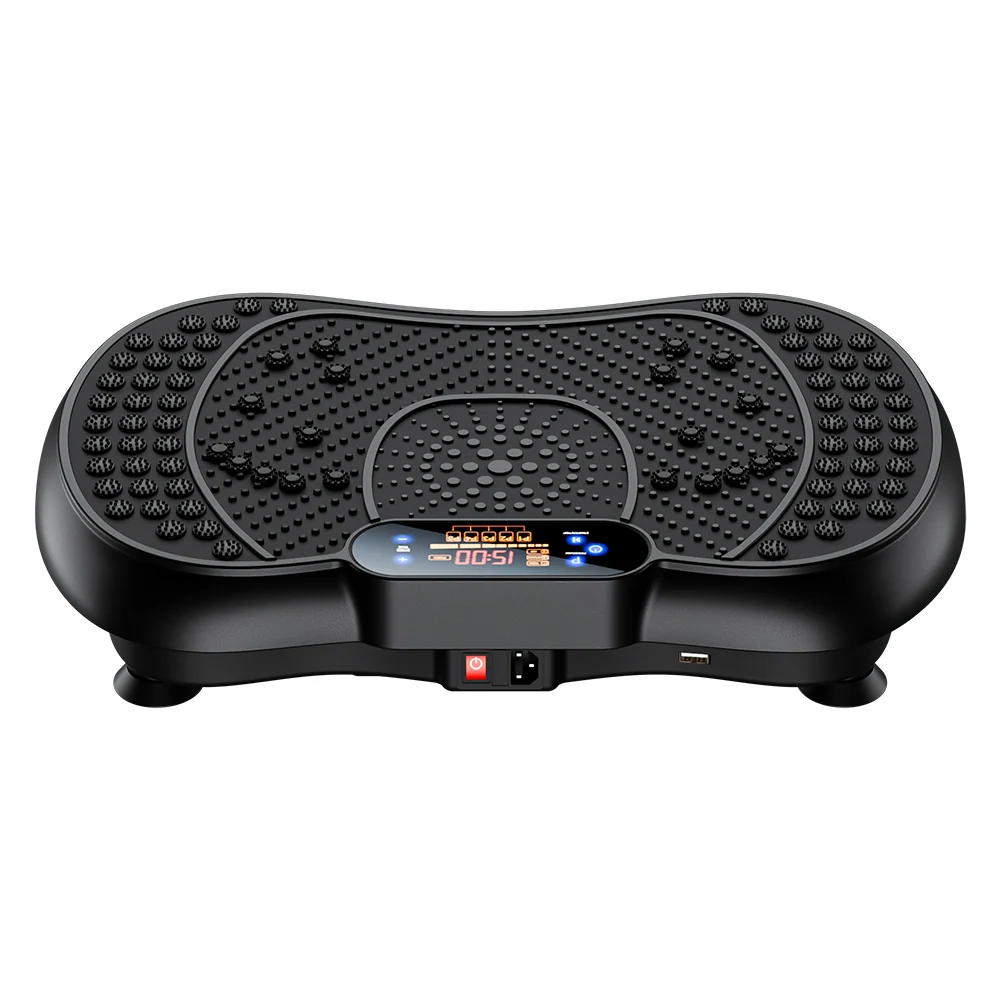
Cost comparisons should account for more than the product’s current listing: machine size, motor or resistance features, included accessories, assembly and the amount of use you expect all matter. Check the current price on the UK store for the Y5, rower and dumbbell set side by side, then factor in delivery and the equipment you would otherwise need.
One last look
Our winner by use case is clear: the Folding Treadmill Y5 for regular walking or running, the Magnetic Rowing Machine for adjustable low-impact cardio, and the 4-In-1 Dumbbell Set for a strength-focused setup without adding a cardio machine. The limitation shared by all three is that the listing alone cannot tell you whether their footprint and assembly suit your room, so confirm dimensions and terms before choosing.
Choose the treadmill for walking, the rower for low-impact full-body cardio, or the dumbbell set for compact strength training.