

Share This Article
Choosing home gym equipment is a space-and-routine decision before it is a feature-count decision. Home Fitness Code has a wide UK catalogue, from compact cardio machines to larger strength stations, so its appeal is clear for shoppers who want to compare formats in one store.
Our review is based on the UK store’s product information and stated policies. It points to a range with practical variety, although product listings cannot settle questions such as personal comfort, assembly experience or how much room a machine really occupies in a busy home.
We may earn a commission when you buy through links on this page, at no extra cost to you.
A range with breadth
The central strength is choice across training styles. Shoppers can compare a folding treadmill, stepper, vibration platform and cable machine instead of being funnelled into one type of workout. The store also says it offers free delivery, a 30-day returns period and a one-year warranty. Those claims are useful context, but check the live UK policy details for eligibility, exclusions and the process for bulky equipment.
That breadth works best when you already know the sessions you want to make easier. Before comparing models, consider:
- Available floor area, including clearance while exercising.
- Whether the equipment can remain assembled or needs to be moved after each session.
- Your routine: low-impact movement, walking, or resistance work need different formats.
- What else may be required, such as compatible weights, a mat or floor protection.
A listing can describe dimensions and functions, but a buyer still needs to map them to the room and intended use. That is the main caveat across the catalogue: more options mean more fit decisions, and the product page is only the starting point.
Compact cardio choices
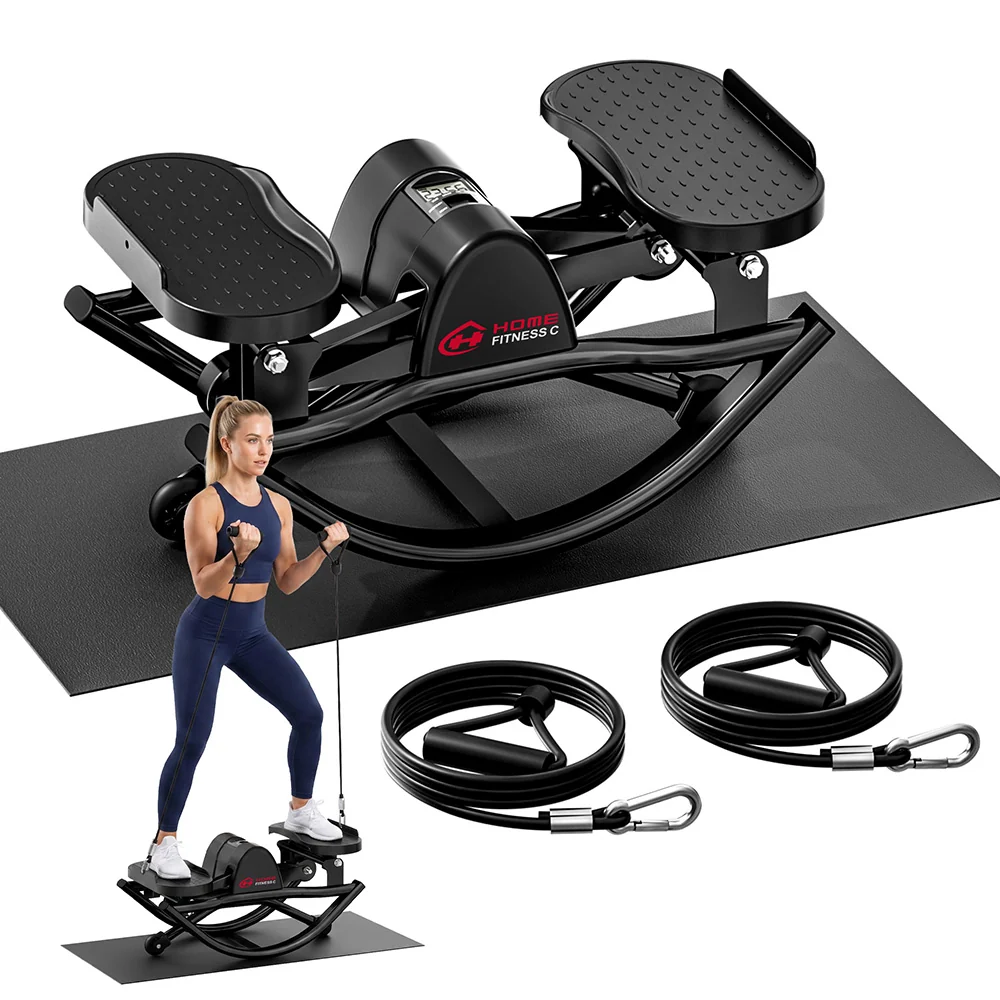
The U-Shaped Rock Stepper is the clearest entry point for someone seeking a smaller, low-impact cardio format. Its page describes a lateral rocking action and lists resistance bands and a non-slip mat. That bundle gives a buyer more context than a bare step platform, and its product listing is worth checking for dimensions and setup requirements.
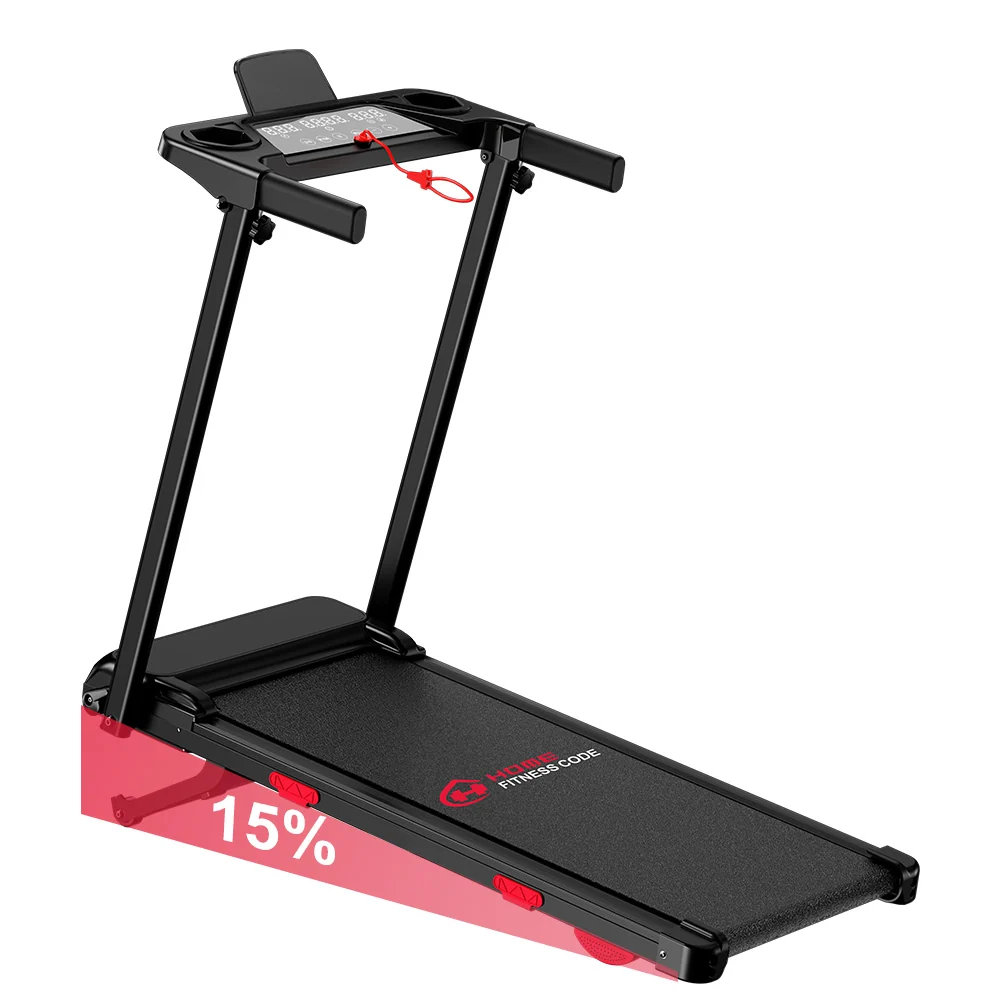
The trade-off is specificity: a rocking stepper is not a substitute for walking or running practice. People who want a walking surface may find the Folding Treadmill Q5 Pro more relevant. Its product title lists a brushless motor, speed range and automatic incline, features that make it a more involved machine to place and use. Check the Q5 Pro details for dimensions, incline requirements and storage information before deciding it is suitable for a smaller room.
For a gentler, low-impact routine, the stepper may be easier to consider; for regular treadmill walking, the Q5 Pro is the more direct match. In either case, routine fit matters more than headline features.
Specialist equipment
The Vibration Plate F1 is a more specialised option. The listing highlights adjustable speeds and LED lighting. These are concrete features, but they do not explain whether vibration training suits a reader’s goals or health circumstances. Treat it as a distinct training format, not a general replacement for cardio or strength equipment. Review the F1 product information carefully and seek appropriate professional guidance if you have questions about whether this style of exercise is suitable for you.
A different kind of commitment comes with the Lat Pulldown & Row Cable Machine. The high-and-low pulley setup is aimed at focused resistance training, and can make sense for someone planning regular pulling exercises. The UK product page should be checked for included components, dimensions and assembly requirements; a machine listing alone does not confirm the full cost or compatibility of a finished home gym.
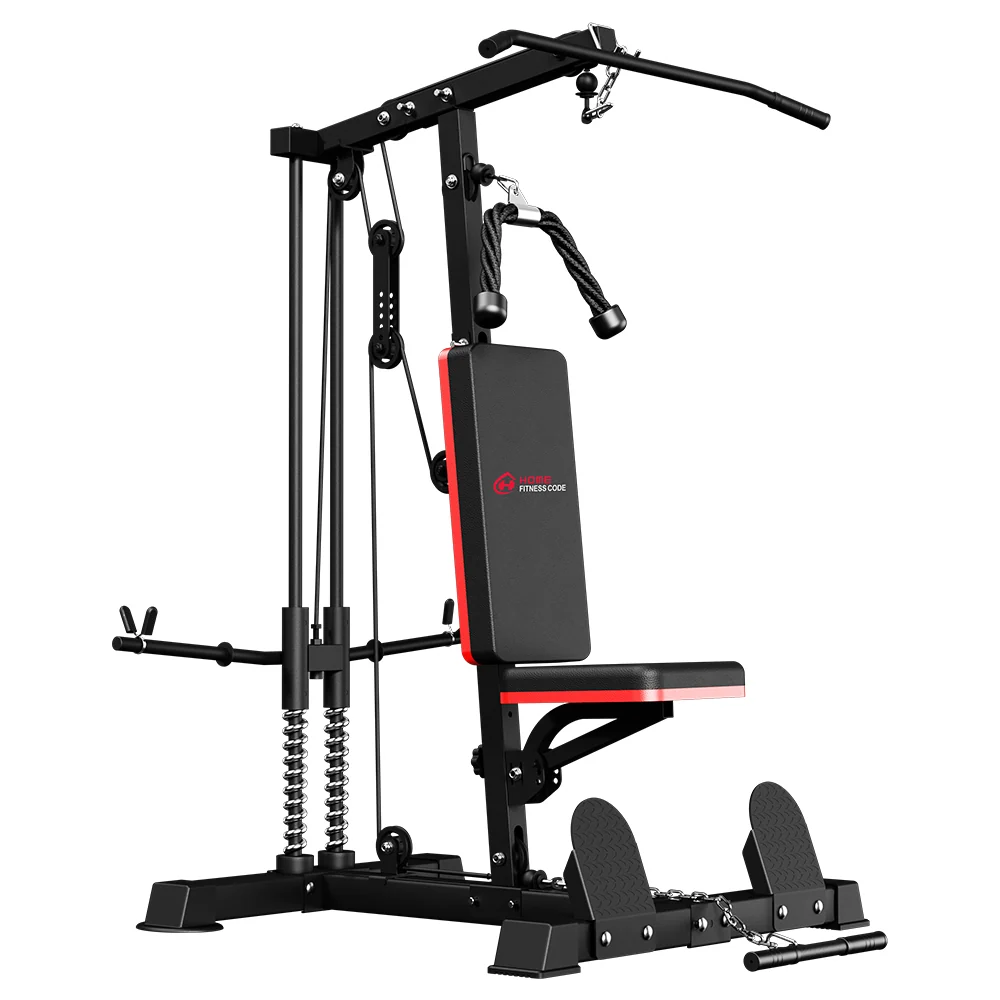
This distinction is helpful when narrowing a broad catalogue. The F1 suits a reader specifically interested in vibration platforms, while the cable machine fits a more dedicated strength corner. Both ask for more research than the stepper because their use cases are narrower and space planning carries more weight.
Where to be cautious
The store’s stated delivery, returns and warranty terms strengthen the buying proposition, but they are not a guarantee that every large machine will be straightforward to return or install. Read the current terms beside the chosen listing, confirm what arrives in the box, and allow for moving and assembly. If more than one person will use a machine, check adjustability and measurements for each intended user.
- Measure the intended space and the route into it.
- Compare the product’s listed dimensions with usable clearance.
- Confirm included accessories, assembly needs and policy conditions.
- Choose a format that supports a routine you expect to keep.
We would also avoid treating a feature list as evidence of durability or comfort. The UK pages provide product descriptions, not independent performance testing. For shoppers comparing equipment, that means checking the specifications and policies closely and keeping claims about outcomes modest.
One last look
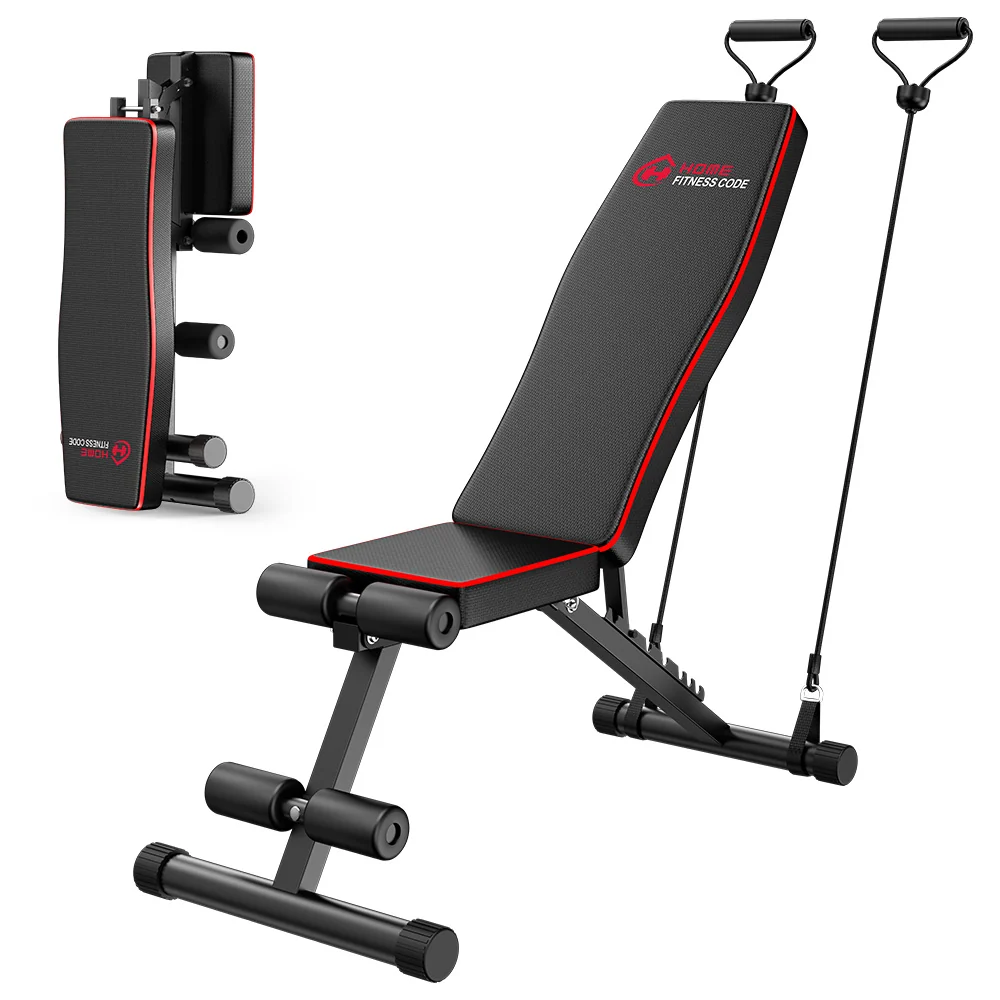
Home Fitness Code is worth considering for UK shoppers who want several home-training formats in one catalogue and are prepared to compare each product on its own terms. Its strongest case is variety, with compact cardio options alongside dedicated strength equipment. The honest limitation is that a broad range cannot tell you which machine will fit your room or feel right for your routine, and store policies should be checked in full before choosing.
Our recommendation: shortlist by routine and available space, then verify the exact product details and UK terms before choosing.