

Share This Article
Building a bread-baking setup can mean choosing between a better oven surface, more control while shaping dough, or help with proofing. The useful first question is where your current process slows down. Milk Street Kitchen carries baking tools from specialist makers, including Brod & Taylor equipment with distinct roles rather than one all-purpose solution.
We reviewed the store’s product information to map each tool to a job. Start with the step you repeat most, then check counter and storage space, the way the tool is operated, and the care notes on its listing.
We may earn a commission when you buy through links on this page, at no extra cost to you.
Start with the sticking point
Before browsing, name the frustration precisely. Is the loaf’s underside inconsistent? Do you want thinner, more even dough for pastry? Is a cool kitchen making fermentation hard to schedule? Or do you need a way to trap steam around a loaf without handling a heavy covered pot?
A quick shortlist helps prevent buying equipment for a problem you do not have:
- Oven transfer or heat: look at a baking surface.
- Even thickness: consider a manual sheeter.
- Temperature and fermentation: assess a folding proofer.
- Steam around the loaf: compare a baking shell.
This is where Milk Street Kitchen works naturally as a source: its range includes specialist items as well as ordinary prep and pantry goods, so the practical task can lead the search. If you already have a tool that handles the job, there is no need to add another.
Match the tool to the task
The Brod & Taylor Bread Steel is a solid-steel baking surface, pre-seasoned with flax oil according to its product page. It is designed to heat quickly and retain heat. The listing describes the standard version as lightweight and easy to maneuver; it also identifies a larger Bread Steel Max option for larger loaves and pizza. Check the Bread Steel listing for the current available option and its dimensions before deciding whether it fits your oven and storage plan.
A baking surface makes most sense when the oven stage is the limiting factor. It is a poor first purchase if you mainly want help shaping dough or managing fermentation. For that distinction, compare the Bread Steel details with the other product roles below; the page also explains preheating and use.
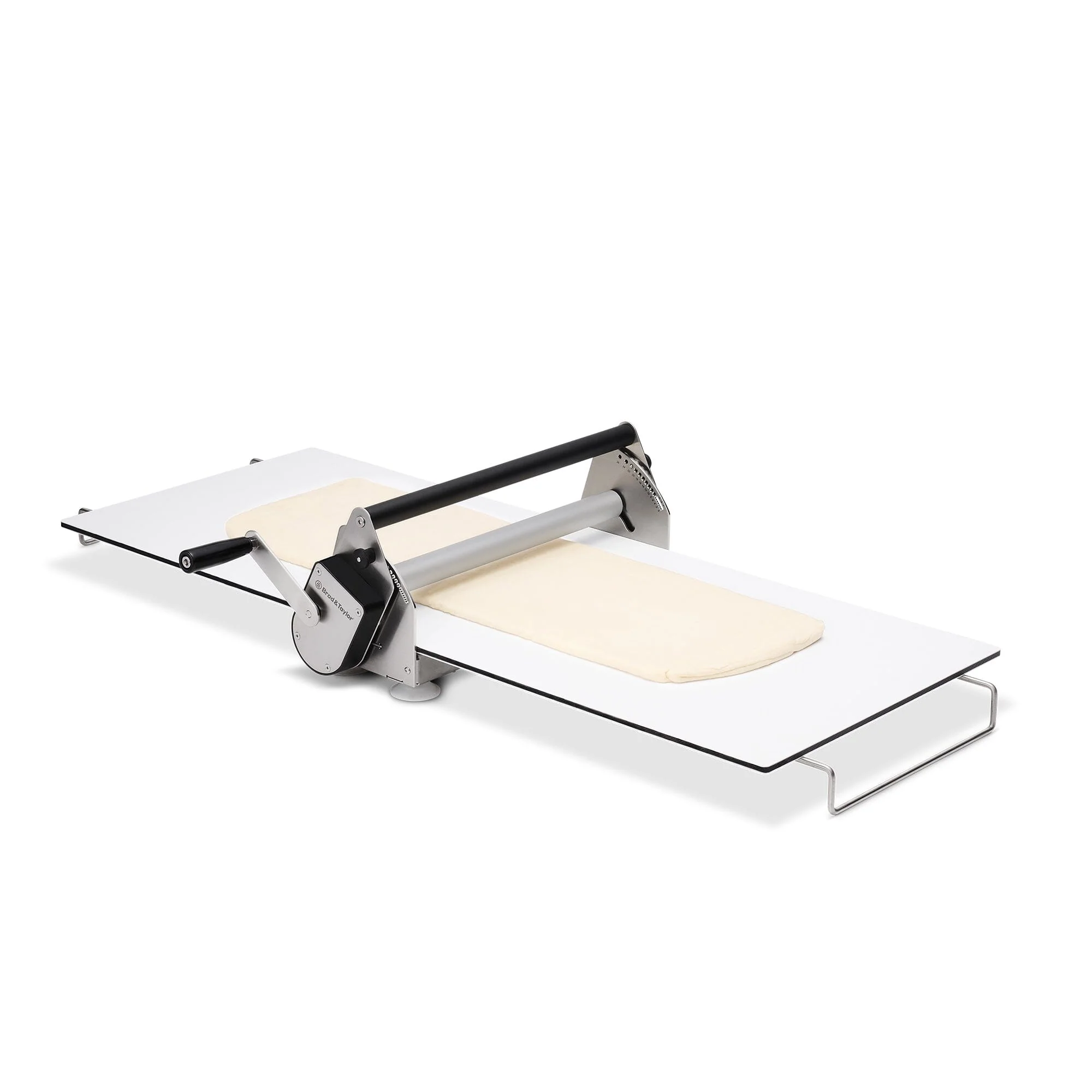
For dough thickness, the Brod & Taylor Countertop Dough Sheeter is manually operated and adjusts through a range of thickness settings. Its product page describes a reinforced board made with aluminum and durable plastic, plus a carrying case for storage. Its adjustable thickness makes it relevant when uniform sheets are the goal, but it still needs a place to set up and a plan for putting it away. Read the Countertop Dough Sheeter page to confirm the included components and shipping notes. The store describes adjustable thickness and manual operation; it does not establish that the tool is necessary for any particular recipe.
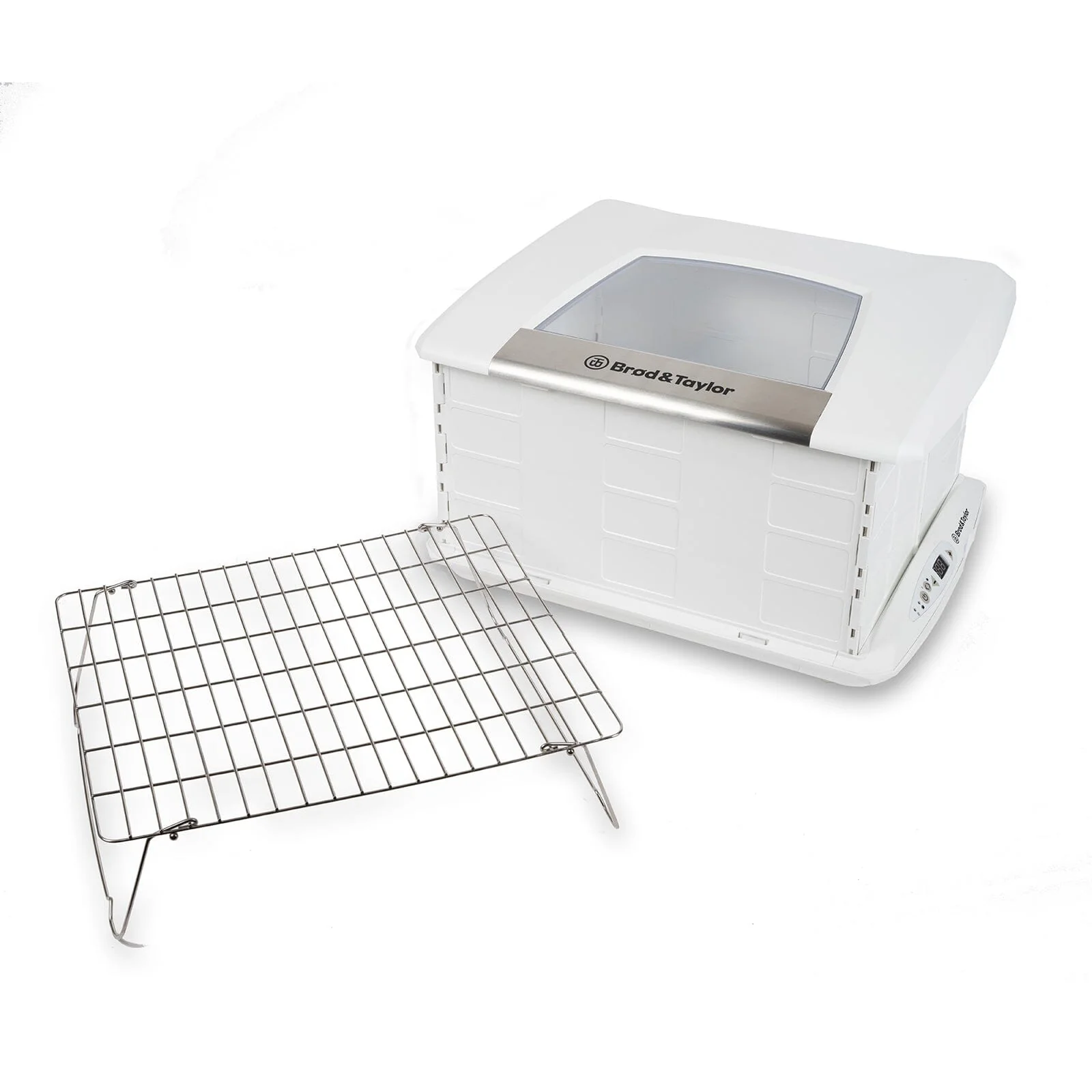
The Folding Proofer with Accessory Shelf serves a different stage: the store says its temperature and humidity controls support yeast dough rising and sourdough fermentation. The listing also describes slow-cooker use with a separate pot, plus uses such as yogurt and tempering chocolate. Its folding design may help with storage, although an appliance still needs a suitable location when in use. Review the Folding Proofer specifications and electrical details before choosing it.
| Tool | Useful for | Check first |
|---|---|---|
| Bread Steel | Oven heat and baking surface | Oven fit, handling, storage |
| Countertop Dough Sheeter | Even dough thickness | Counter space, cleanup, setup |
| Folding Proofer | Rising and fermentation | Power, footprint, routine |
| Baking Shell | Steam around a loaf | Loaf shape, oven clearance |
Plan for the oven stage
The Brod & Taylor Baking Shell is an aluminum cover for bread. Its listing says it needs no preheating: place it over shaped dough on a flat oven surface so steam is trapped, then lift it partway through baking. The page also presents the shell as a countertop bread cover when not baking. This is a targeted alternative for someone who wants a lighter cover than a heavy pot, not a replacement for a baking surface itself.
Milk Street Kitchen carries a batard-shaped version and other baking formats. Compare the Baking Shell listing against your usual loaf shape, oven clearance, and the flat surface you would place beneath it. The product page gives material and care information, so check that before purchase rather than assuming all shells are handled alike.
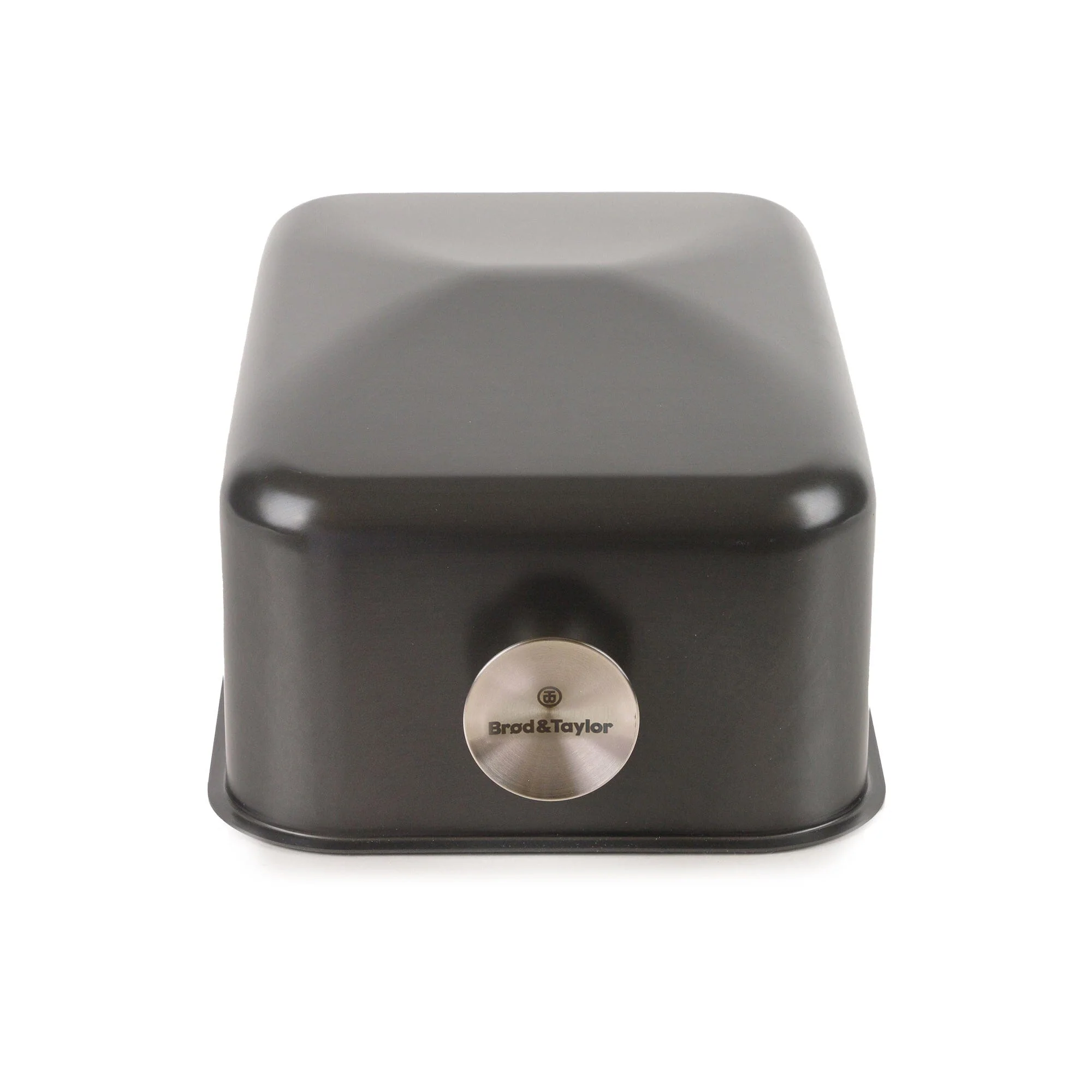
Keep the tool roles separate when weighing the choices. A steel contributes the surface, a shell covers the loaf, a sheeter controls dough thickness, and a proofer supports fermentation conditions. If two needs are equally pressing, compare which task occurs more often and which item you can store conveniently. That simple filter is more useful than treating every specialist tool as essential.
Check fit before buying
Use the product pages to resolve details that affect everyday use. The general store description is not a substitute for checking the exact model.
- Measure the counter, oven, and storage space the item will occupy.
- Confirm the product’s operating steps, materials, and cleaning guidance.
- Check whether accessories are included or listed separately.
- Review shipping and availability details on the current US store page.
For example, the Bread Steel page explains its pre-seasoned surface, while the sheeter listing outlines manual adjustment and storage. The proofer details cover its temperature and humidity role, and the shell description explains its steam method. These details make Milk Street Kitchen a useful shortlist source for readers who know which baking step they want to address.
Questions before choosing
Will the tools work together?
They address different stages, so some can be complementary: the proofer supports fermentation, while a shell or steel is used in the oven. Choose only the stage that would solve a recurring problem.
What should I check for fit?
Compare product dimensions with your oven, counter and storage space. For the proofer, review its power details; for the steel, check the listed size and handling notes.
One last look
Our recommendation is to begin with one repeated frustration: choose the Bread Steel for the oven surface, the sheeter for dough thickness, the proofer for fermentation, or the Baking Shell for trapping steam. The product pages give a useful basis for comparing these roles, and the range makes Milk Street Kitchen a natural place to browse when you want baking-specific options from one store.
The limitation is that no listing can decide whether a tool will suit your kitchen layout or your personal baking routine. Measure first, read the current product details, and add equipment only when its job is clear.
Choose the tool that solves the recurring step in your bread routine, then verify its fit on the product page.