

Share This Article
A first visit to Puckipuppy can feel like entering a catalogue with its own vocabulary: model names, frame styles and different promises for city streets or rougher paths. The useful starting point is not the name on the frame but the kind of riding the bike is meant to support.
We reviewed the US store’s product information for this introduction. The range is broad enough to reward a little orientation: the brand presents commuter and urban models alongside step-through, fat-tire and all-terrain options. That gives first-time readers a route into the catalogue, while leaving the usual fit and component questions to verify on each model page.
We may earn a commission when you buy through links on this page, at no extra cost to you.
A range built by role
Puckipuppy organizes much of its range around recognizable ride types rather than a single silhouette. That matters because a commuter path, an errand run and an uneven recreational route ask for different things from a bicycle. Its US store presents specific models for these roles, with features varying by listing rather than applying across the whole brand.
For an urban starting point, the Samoyed Ebike is described by the store as a classic urban ride. The Poodle Ebike is positioned around commuting. Those short descriptions are helpful labels, but they are not a substitute for checking fit, dimensions and equipment on the individual pages.
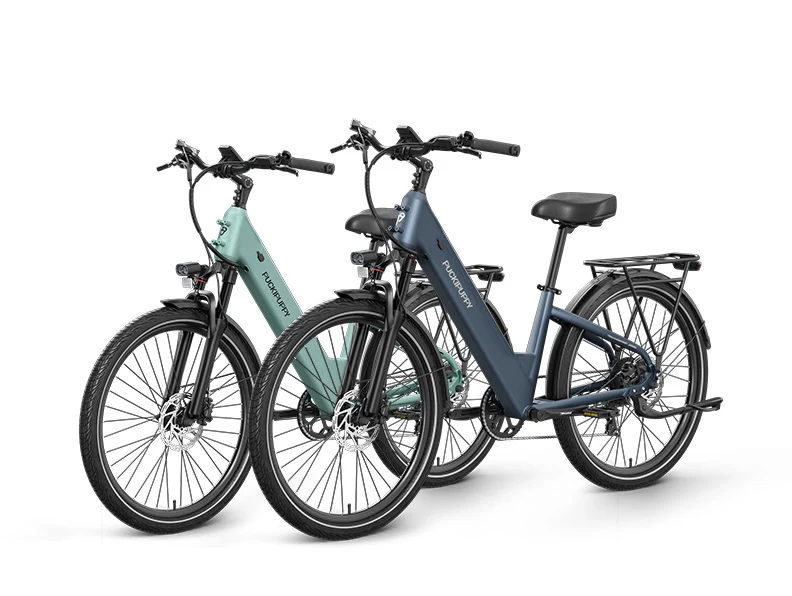
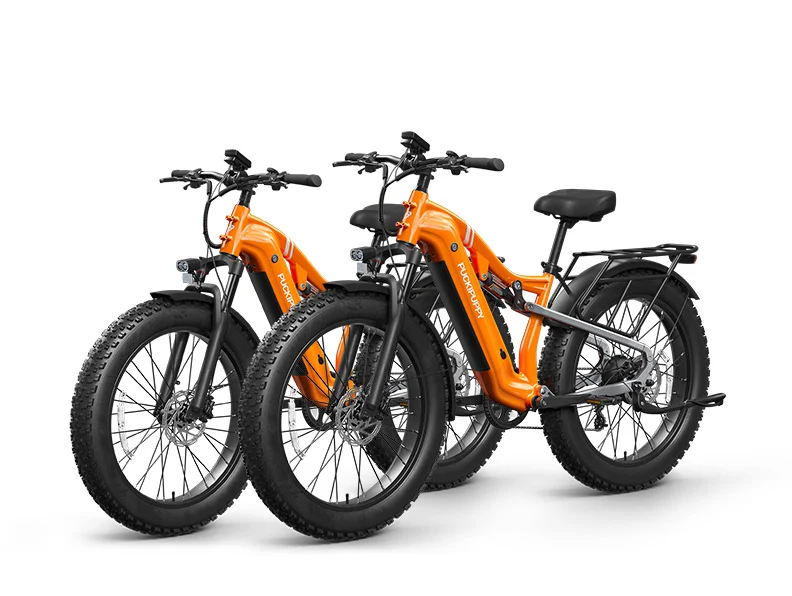
The all-terrain branch has a different emphasis. Puckipuppy’s Labrador Pro Ebike listing calls out a torque-plus-cadence sensor, a detail that may interest riders comparing how assistance responds to pedaling. The Boxer ST Ebike listing highlights full suspension. These are model-specific points, and shoppers should confirm the current configuration and component descriptions on the US product pages.
- Urban riding: start with the Samoyed description and compare its equipment with your route.
- Commuting: use the Poodle listing as a reference point for the brand’s commuter positioning.
- Rougher routes: investigate the Labrador Pro or Boxer ST and verify suspension and sensor details.
What the names signal
Brand naming can make a large catalogue easier to remember, but model names alone do not tell a buyer enough. Read the specification alongside the headline. A “commuter” label says something about intended role; it does not establish whether the fit or riding position works for a particular person.
The Poodle Ebike provides a clear example of the gap between positioning and decision-making. The store’s phrase “top-spec commuting” is its own marketing description; readers still need to compare the actual component list, dimensions and included equipment. The Samoyed Ebike receives an urban styling description, which should likewise be read as orientation rather than a promise of a particular ride feel.
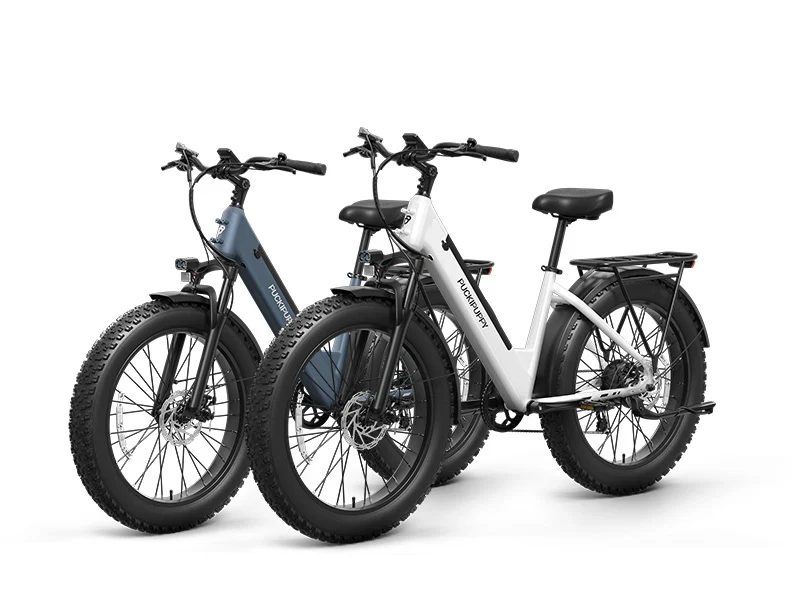
For technical features, the Labrador Pro Ebike listing’s sensor language is more concrete than a broad category label. A torque-plus-cadence setup combines two kinds of pedaling input in the model description; the practical relevance depends on how the system is configured and the rider’s preferences. The Boxer ST Ebike page similarly puts full suspension front and center, a useful signal for readers who are comparing comfort and terrain considerations.
- Treat category names as a shortlist tool, not a guarantee of fit.
- Check the full equipment list for the exact model and frame variant.
- Compare the route, rider position and storage needs before narrowing the choice.
- Confirm current availability and store policies directly on Puckipuppy’s US site.
A first shortlist
A focused shortlist is more useful than opening every model tab. Pick two or three candidates that represent different priorities, then compare their current page details in the same order. For example, a city-focused reader could contrast the urban positioning of the Samoyed with the commuting language on the Poodle page, while a rider considering uneven surfaces might compare the Labrador Pro’s sensor description with the Boxer ST’s suspension emphasis.
Those comparisons should stay anchored to the current listings. The Samoyed Ebike and Poodle Ebike give an urban-versus-commuting starting point. For a more technical contrast, review the Labrador Pro Ebike and Boxer ST Ebike pages side by side. The names and stated features are easy to scan, but fit, use conditions and configuration deserve the closer read.
Before you settle on a favorite, note what the store does not establish in a headline: whether a given geometry suits your body, whether a particular route is appropriate, and which configuration is available at the time you browse. Those details can change by model or listing. A sensible comparison records unanswered questions rather than assuming that one feature settles the decision.
- Write down your most common ride and the surface it uses.
- Compare frame access and fit information across your finalists.
- Check listed equipment and clarify anything that is not explicit.
Ownership details
A brand introduction should include the less glamorous part of shopping too. Puckipuppy maintains separate US pages for shipping, returns, warranty and customer support, so prospective buyers can review the applicable terms before choosing a model. Read the policy pages alongside the product listing and keep the product name and configuration in view when checking coverage or delivery details.
This matters across the range, whether a reader starts at the Poodle Ebike, the Samoyed Ebike or one of the more terrain-focused models. Product availability, components and policy terms are store details that should be checked directly rather than inferred from a category label. The Labrador Pro Ebike and Boxer ST Ebike pages are good examples of why a feature-led comparison can help: it gives readers a concrete list of questions to carry into the ownership information.
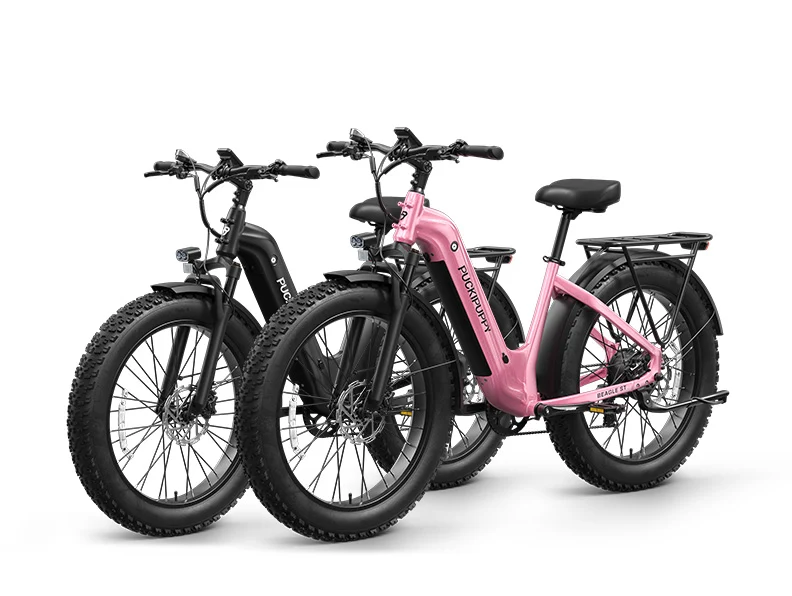
For a first-time visitor, the strongest way to read the brand is as a set of distinct riding propositions. Urban and commuter labels help orient the search; model-level details reveal what each listing actually emphasizes; policy pages fill in the ownership context. Keeping those layers separate makes the catalogue easier to navigate and helps prevent a headline from doing too much work.
One last look
Puckipuppy is worth a closer look for readers who want several e-bike formats under one store, from commuter and urban models to listings that emphasize suspension or sensor systems. Our recommendation is to begin with the riding role, then compare the specific model pages and US ownership terms. The limitation is that brand labels cannot answer personal fit or route suitability, so those details still need a careful check.
Start with your route, then choose the Puckipuppy model whose listed features match it.