Share This Article
For a first-time visitor, Undercover Tourist can look like a ticket shop with a lot of extra tabs. Its own timeline tells a broader story: it began selling Orlando theme park tickets in 2000, then built planning tools around the questions that shape a trip, from crowd timing to daily park routes. That history helps explain why the brand combines admission with advice.
We reviewed the company’s public story and current product listings to map out what sits behind the name, where its range is most useful, and what deserves a closer look before a purchase.
We may earn a commission when you buy through links on this page, at no extra cost to you.
A planning-first origin
The company’s history starts with a practical problem: choosing the right admission for a complex park visit. Undercover Tourist says its Orlando Crowd Calendar followed soon after ticket sales began, and that its Ticket Wizard was designed to help families match tickets to their plans. The planning-first pattern still runs through the brand: products answer the “which ticket?” question, while guides and planning tools help with “when should we go?” and “how should we spend the day?”
That combination matters because ticket names can hide real differences. A multi-day base ticket, a park-to-park option and a separately ticketed evening event each solve a different itinerary problem. The company’s editorial resources add context around those choices, but each attraction sets its own operating rules. We’d treat the planning material as a useful starting point, then confirm dates, entry conditions and included parks on the exact listing.
Tickets with different rhythms
The listings show the variety better than a broad brand promise can. Format matters more than a generic ticket label. The Universal 3-Day (One Day Per Park) Ticket is a multi-day format for travelers who want a defined park-per-day structure. It makes most sense when the trip has room for several park days and the traveler is comfortable with the ticket’s stated access pattern. Before choosing, confirm which parks and dates the live listing covers.
Seasonal events have a different planning logic. The Halloween Horror Nights Single Night Ticket (Universal Orlando) is for a single event night, so the key decision is the date rather than the number of regular park days. Check whether daytime admission is separate and read the event entry details before building the rest of the evening around it. A separate listing for SeaWorld Orlando: Howl-O-Scream Single Night Dated Ticket serves a similar event-specific role at another park.
For a quick first pass through the catalog, sort your options by the trip shape:
- Several park days: compare a multi-day format such as the Universal 3-Day ticket with the days you can actually use.
- One evening event: compare dated entries such as Halloween Horror Nights or Howl-O-Scream, then check age guidance and event hours.
- Uncertain plans: focus first on validity windows, date selection and return terms before weighing convenience.

For an evening event, check the date and entry window alongside your daytime plans. The Howl-O-Scream listing keeps those event terms tied to the ticket.
Tools beyond admission
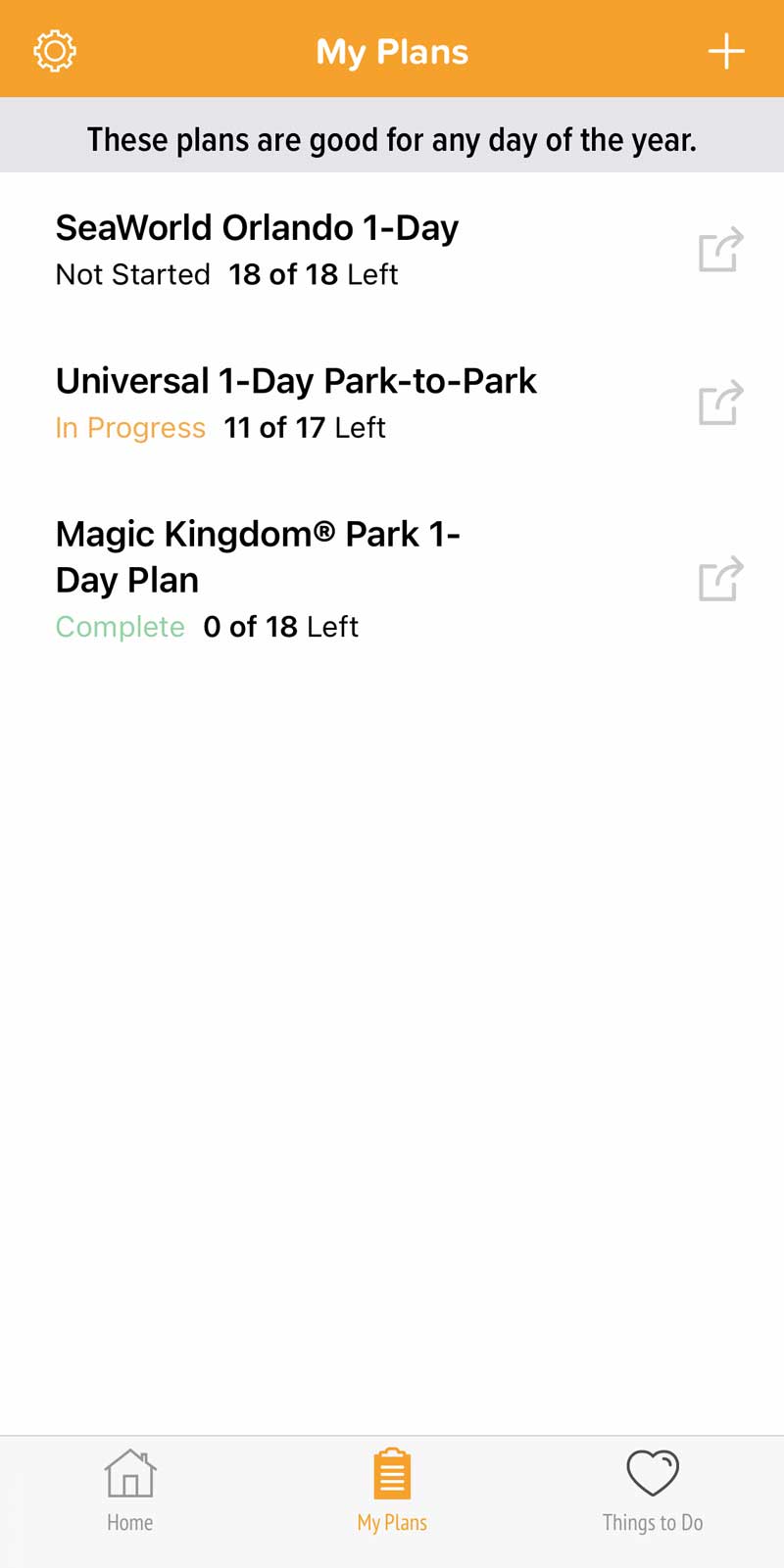
Undercover Tourist’s range extends into trip planning. Its site and blog describe crowd forecasts, touring plans, park guides and app-based information such as wait times, park hours and attraction details. These tools are relevant to readers who like to make a rough route before arriving, especially when a group has different ride priorities or needs to keep an eye on height requirements.
The useful distinction is between planning support and official park functions. A third-party guide can help organize priorities and give context, but park-operated apps may still be needed for services such as mobile food ordering, official reservations or account-linked features. We’d use Undercover Tourist’s planning resources to frame the day, then verify live operations in the relevant park’s own channels. Its planning pages and park guides are most useful when treated as companions to current attraction information.
Details worth checking
Ticket retailing is a detail-heavy category, and the brand’s own product pages make clear that terms are not identical across the range. Delivery method, date selection, validity period, refund or return eligibility, and any park-to-park access can change by ticket. Taxes are included where applicable according to the cached brand information, but readers should rely on the live listing and checkout for the terms tied to their selection.
Before you commit, we recommend checking these points on the exact product page:
- Match the ticket’s park access and visit duration to the days in your itinerary.
- Check whether a specific date must be selected and whether the ticket is valid only on that date.
- Review delivery instructions and how the ticket is linked or presented at entry.
- Read the listing’s cancellation, return and change conditions rather than assuming one policy covers every attraction.
This is where the broad catalog is both helpful and demanding. It places different attractions in one browsing environment, yet it does not remove the need to compare the fine print. The multi-day Universal option and the single-night event listing illustrate why a category label alone is not enough; readers need the detailed entry for their chosen dates and format.
One last look
Undercover Tourist is easiest to understand as a ticket retailer with a planning layer: its origins and product mix are tied to helping travelers choose admission, then make more deliberate use of their park days. That makes it worth a look for readers comparing attraction tickets and wanting trip context in the same place. The honest limit is that access, delivery and return rules remain product-specific, and planning tools cannot replace current park notices.
Start with the destination and dates you already know, then compare the ticket format and terms that fit those plans. If your itinerary is still taking shape, use the trip planning guides to narrow the questions before selecting an option.
Undercover Tourist is a useful starting point for ticket research when you pair its planning context with a careful check of each listing’s rules.