

Share This Article
For RV owners and people who spend long stretches away from plug-in power, the charging gap often comes between destinations: the station may run useful gear overnight, then take a long time to refill. BLUETTI Charger 2 is designed to use a vehicle’s alternator and solar input to charge a compatible power station while travelling or parked in the sun.
We reviewed the Canadian product information to understand where this accessory fits, what it adds to an existing setup, and what a buyer should confirm before planning around it. The central question is practical: does a dedicated vehicle charger solve a real charging problem in your routine?
We may earn a commission when you buy through links on this page, at no extra cost to you.
Charging on the move
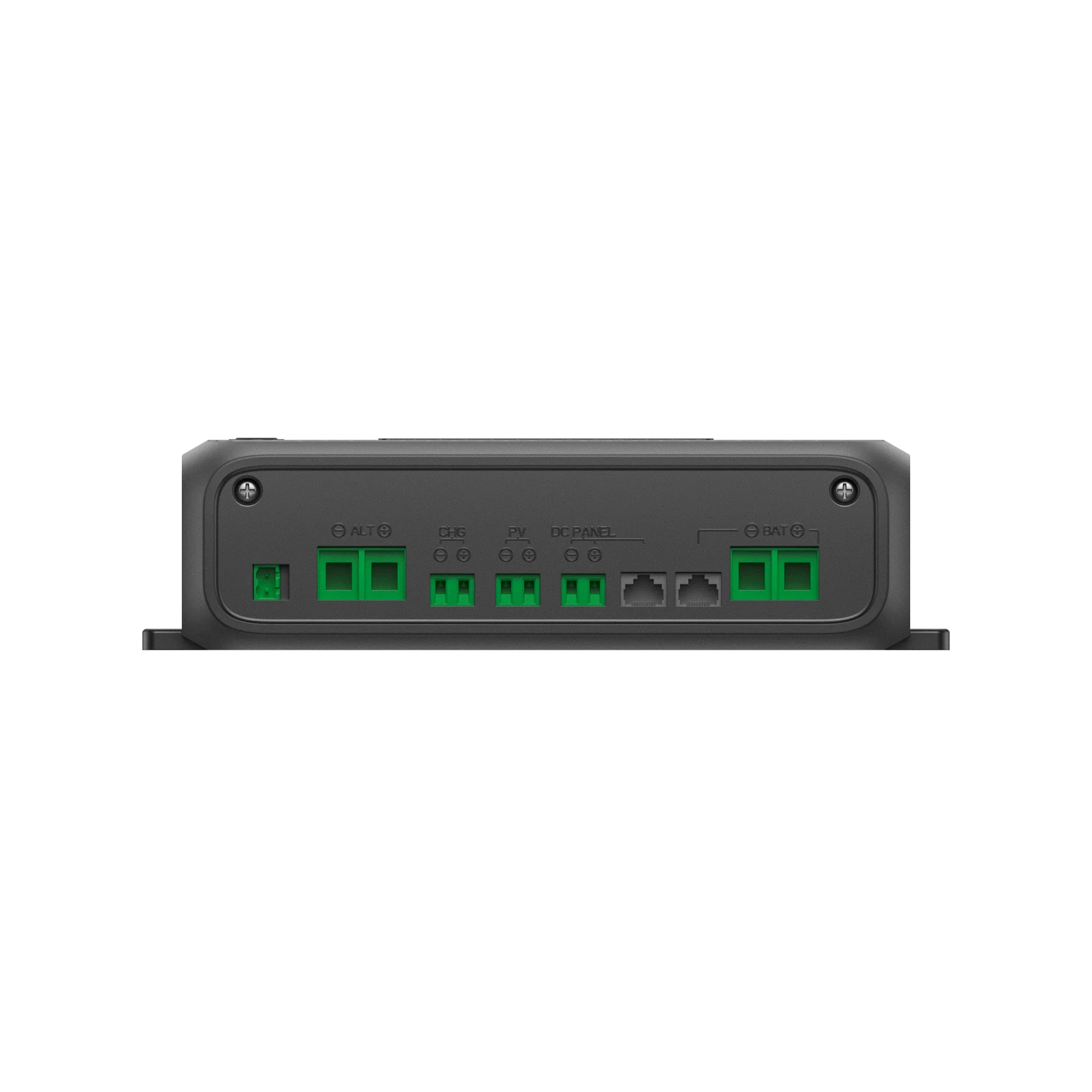
The Canadian listing describes up to 1,200W of dual-input charging, combining an alternator input rated up to 800W with a solar input rated up to 600W. Those are input figures, not a promise that every vehicle or panel will deliver that output in every condition. Actual charging depends on the vehicle, available solar, wiring and the connected station. See the BLUETTI Charger 2 specifications.
That combination is the product’s clearest reason to exist. An alternator can put travel time to work, while solar offers another source when the vehicle is stationary. BLUETTI also describes PV-priority control, giving solar input priority in the charging approach. For an RV route with a suitable panel, that may help make use of sunlight instead of relying only on driving hours. Review the Charger 2 input guidance for your planned panel.
For a closer look at the precise configuration and supported connection details, the BLUETTI Charger 2 listing is the right place to start. It is an accessory in a larger system, so its usefulness depends on having a compatible station and a reason to recharge between stops. Compare the Canadian product page with your existing equipment list.
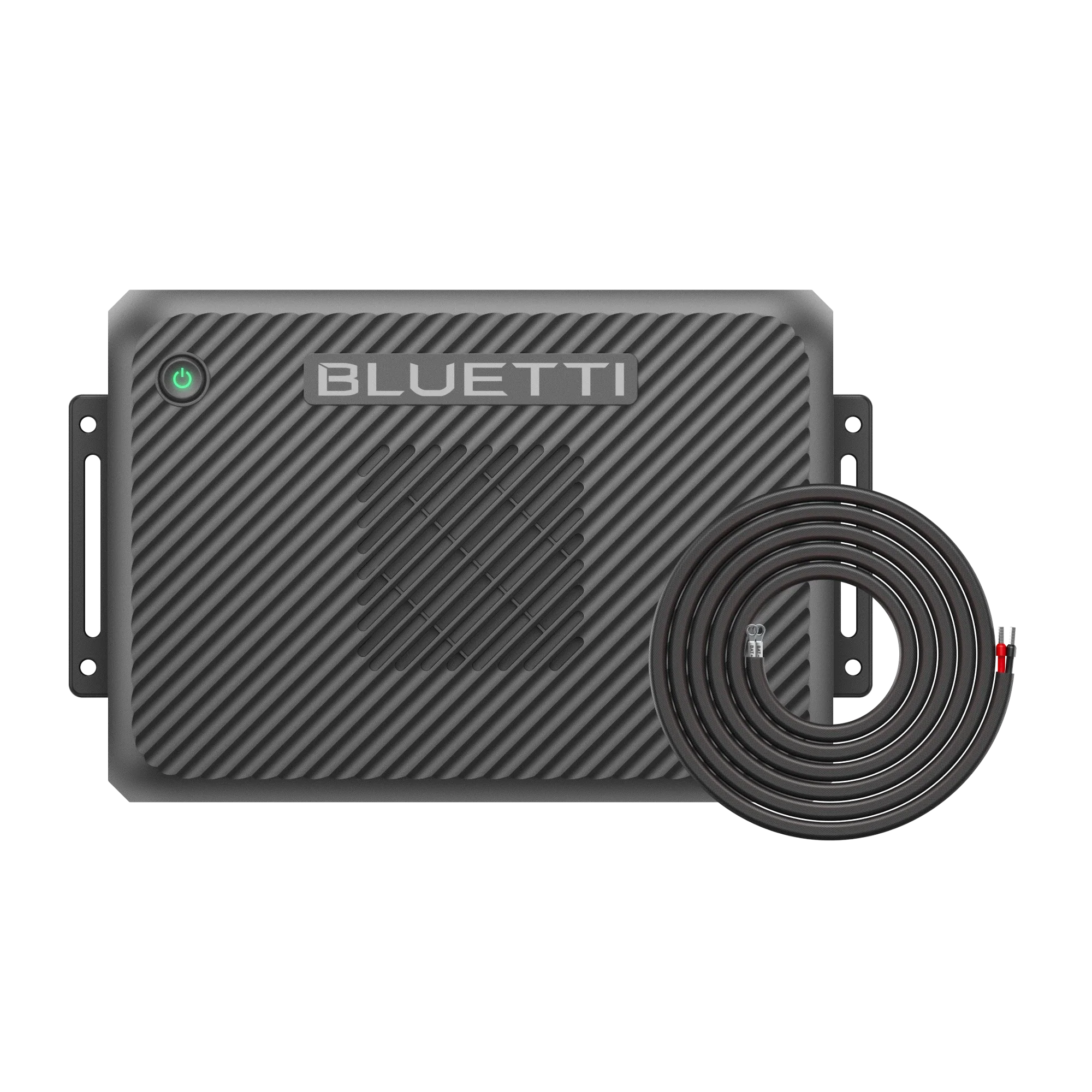
The design suits people who already travel with an existing power station and want a more deliberate way to replenish it from the vehicle. It is less compelling for someone who mostly camps near electrical hookups, makes short trips, or only needs to top up phones and small devices. In those cases, setup complexity and compatibility work can outweigh the benefit.
A system component
Charger 2 does not store energy or provide AC outlets. It moves charging energy to a compatible power station; the station determines what can be powered and for how long. That distinction matters because an input rating is not battery capacity. Check the station’s capacity, output and supported charging connections separately, beginning with Charger 2’s compatibility details.
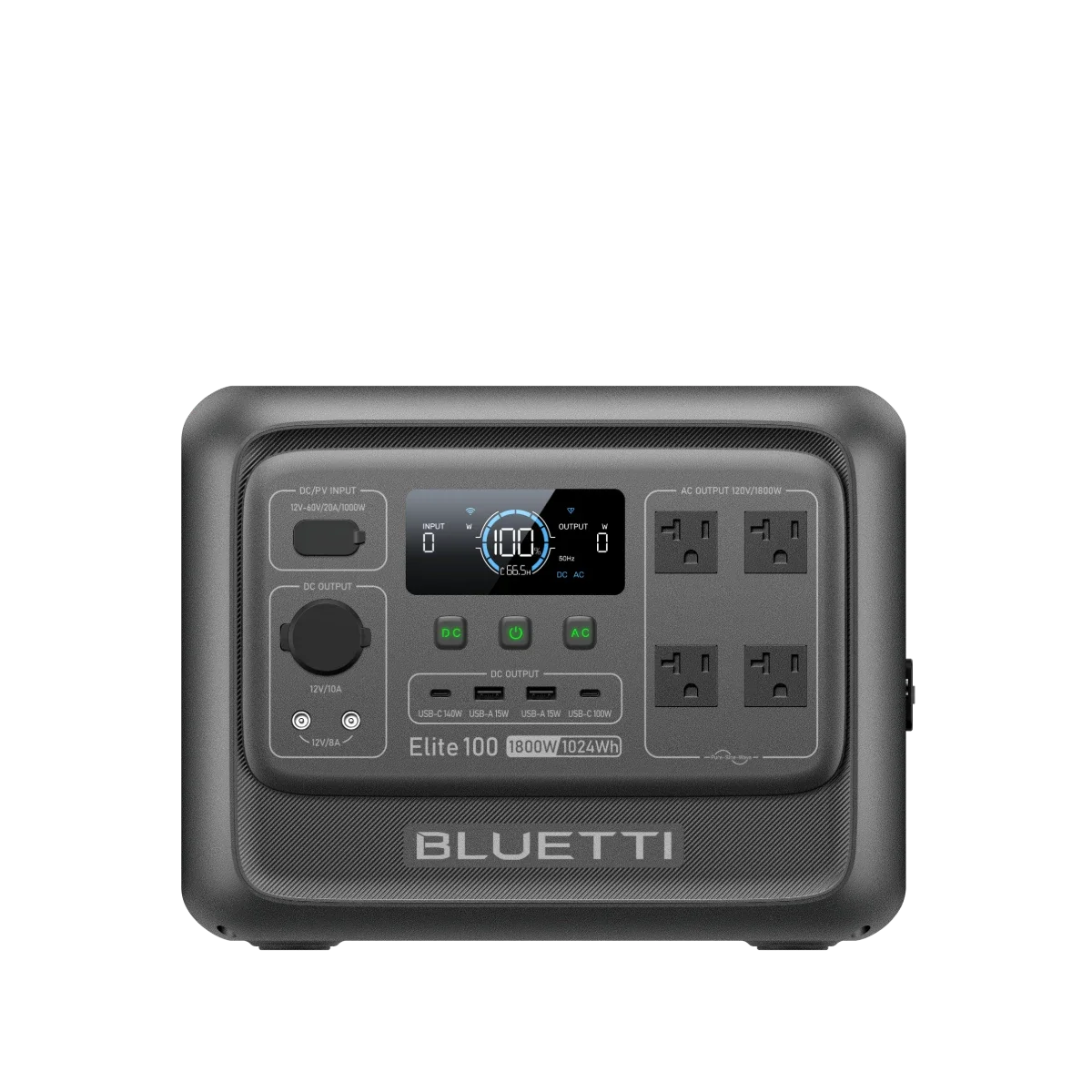
As an example of the separate battery component, BLUETTI Elite 100 V2 is listed with 1,024Wh capacity and 1,800W output. It may suit a mobile setup that needs a portable station for appliances and electronics, while Charger 2 addresses how to replenish that station in transit. The pairing should be checked against BLUETTI’s current compatibility information before purchase. Confirm this Elite 100 V2 station is supported.
For a larger reserve, BLUETTI Elite 300 is listed at 3,014Wh and 2,400W output, with an eight-port design and UPS function noted on its Canadian page. That makes it a different scale of station, suited to buyers who have mapped larger loads or want home backup alongside outdoor use. Bigger storage may mean a heavier, less compact system, so it is not an automatic upgrade for every vehicle. See the Elite 300 specifications to judge that larger scale.
These stations give a sense of the broader ecosystem, but the product under review remains Charger 2. A useful selection order is:
- List the devices and appliances you want to run, then estimate their wattage and runtime.
- Choose a compatible station with enough capacity and output for that load.
- Decide whether driving time, parked solar, or both are meaningful charging windows.
- Confirm your vehicle, wiring route, panel and station compatibility before installation.
This order keeps the accessory in perspective: first identify the battery and energy needs, then decide whether alternator and solar charging improve the routine. For station comparisons, see the Canadian listings for the Elite 100 V2 and Elite 300; their capacity and output describe a different purchase decision from this charger.
Setup and trade-offs
The likely buying experience starts with compatibility rather than a simple plug-in assumption. A vehicle-based charger can involve cabling and installation choices, and the official listing should be checked for included components, supported stations, and any vehicle requirements. The Canadian site is the source to consult for those details because product bundles and regional support can change. Check the Charger 2 listing before choosing a wiring route.
Before ordering, make a short checklist:
- Confirm the power station model appears in the current supported list.
- Check how the alternator connection is installed and whether your vehicle setup is suitable.
- Match solar panel voltage and input requirements to the charger’s specifications.
- Review the current box contents, warranty and return terms on the Canadian store page.
The upside is flexibility across two energy sources, with a published combined input ceiling that is substantial for a mobile accessory. The trade-offs are system complexity, vehicle fit, and dependence on compatible equipment. Those headline input ratings describe an upper limit, not a guaranteed everyday rate; solar conditions and alternator output vary.
One last look
We would shortlist BLUETTI Charger 2 for RV users and off-grid travellers who already own, or are choosing, a compatible station and regularly have meaningful driving or solar charging windows. Its dual-input idea is the strength: it gives travel time and daylight a role in bringing the battery back up. Readers with simple, plug-in camping needs may be better served by a station alone.
There is one important limitation: product-page ratings cannot tell you the real charge time in your vehicle and conditions. Check compatibility and the current technical details on the Canadian Charger 2 listing, then compare the current Charger 2 price against the value of the charging time it could add. Revisit the supported setup details before ordering.
Our recommendation: consider Charger 2 when vehicle or solar recharging solves a regular gap in an otherwise compatible power-station setup.